





In the world of advanced skincare, a few technologies have quickly become part of the beauty conversation - and two of the most commonly mentioned are EMS and microcurrent.
They are often grouped together. They are often confused. And at a glance, it is easy to see why.
Both involve electrical stimulation. Both are used in beauty devices. Both are associated with the idea of more advanced, non-invasive skincare.
If you’re new to the category, our guide to EMS in skincare breaks down how this technology works and why it’s becoming such an important part of modern beauty.
But despite those similarities, they are not the same technology - and understanding the difference matters.
If you have ever wondered what separates EMS from microcurrent, how each one works, and where they fit into a modern skincare ritual, this is your guide.
Why Are EMS and Microcurrent Always Compared?
EMS and microcurrent sit within the same broader beauty-tech category.
They are both electrical technologies used in at-home and professional skincare devices and both are often discussed in relation to facial appearance, non-invasive beauty rituals and more advanced approaches to ageing skin.
That overlap is exactly why they are so often compared.
But while they may sound similar, they are designed to support the skin in different ways.
What Is EMS?
EMS stands for Electrical Muscle Stimulation.
In skincare, EMS uses gentle electrical impulses designed to stimulate the muscles beneath the skin. These impulses encourage muscle contractions, which is why EMS is often associated with facial activation, muscle engagement and the appearance of a more energised or firmer-looking face.
This is what makes EMS such an interesting addition to modern skincare. Rather than focusing only on the skin’s surface, it brings the deeper facial structure into the conversation too.
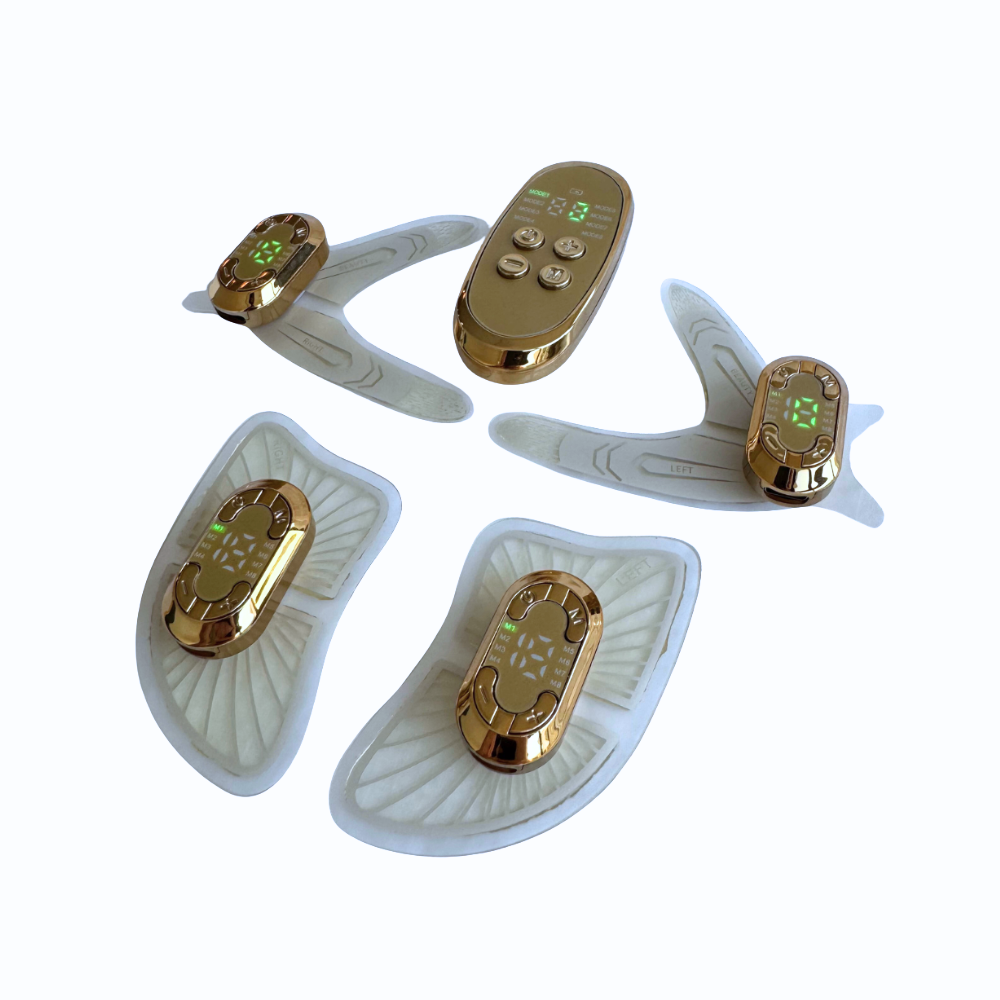
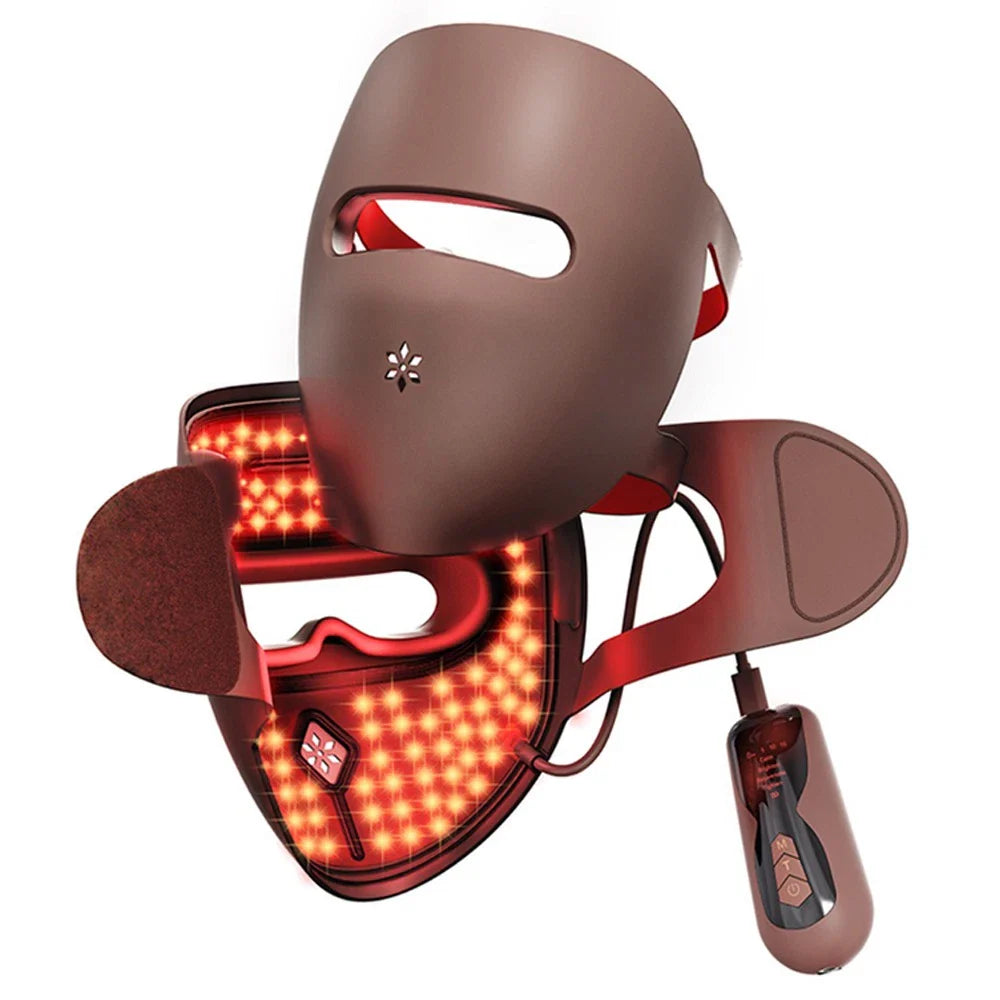
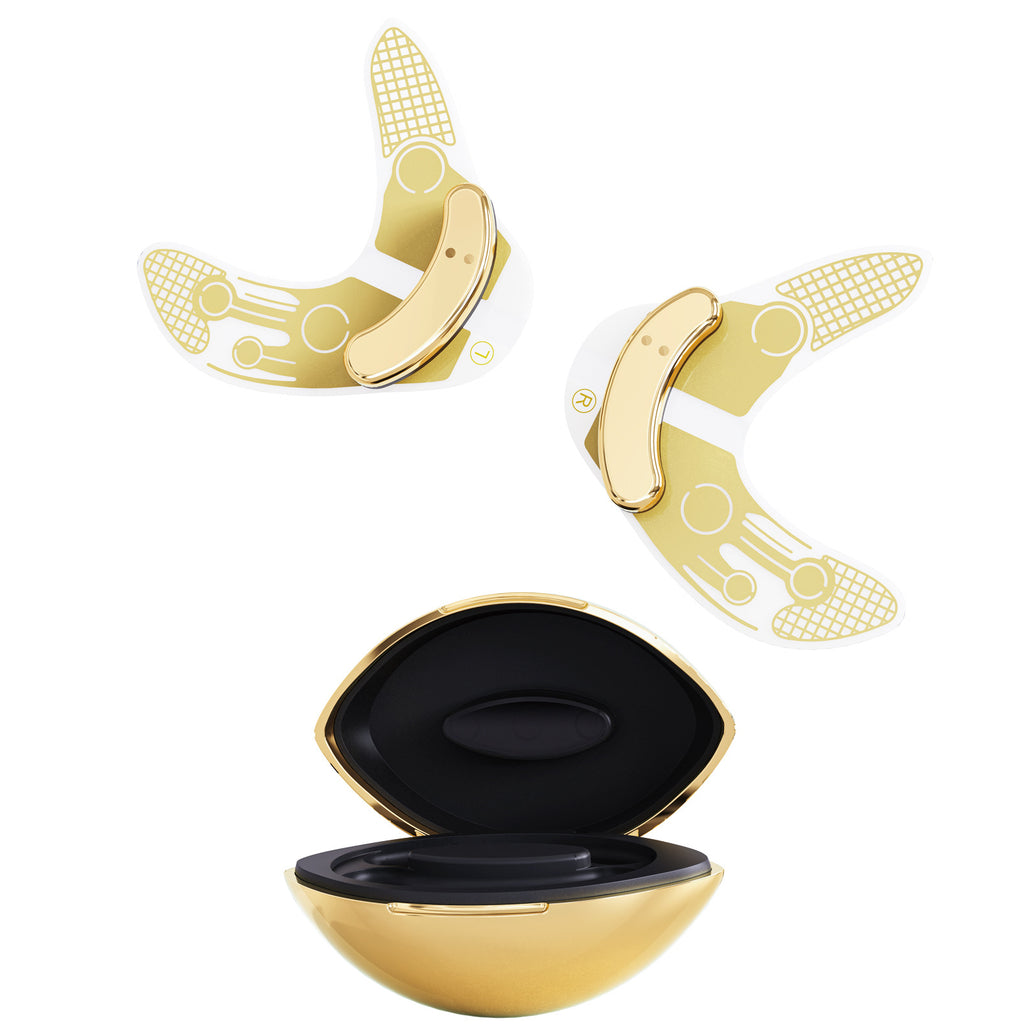
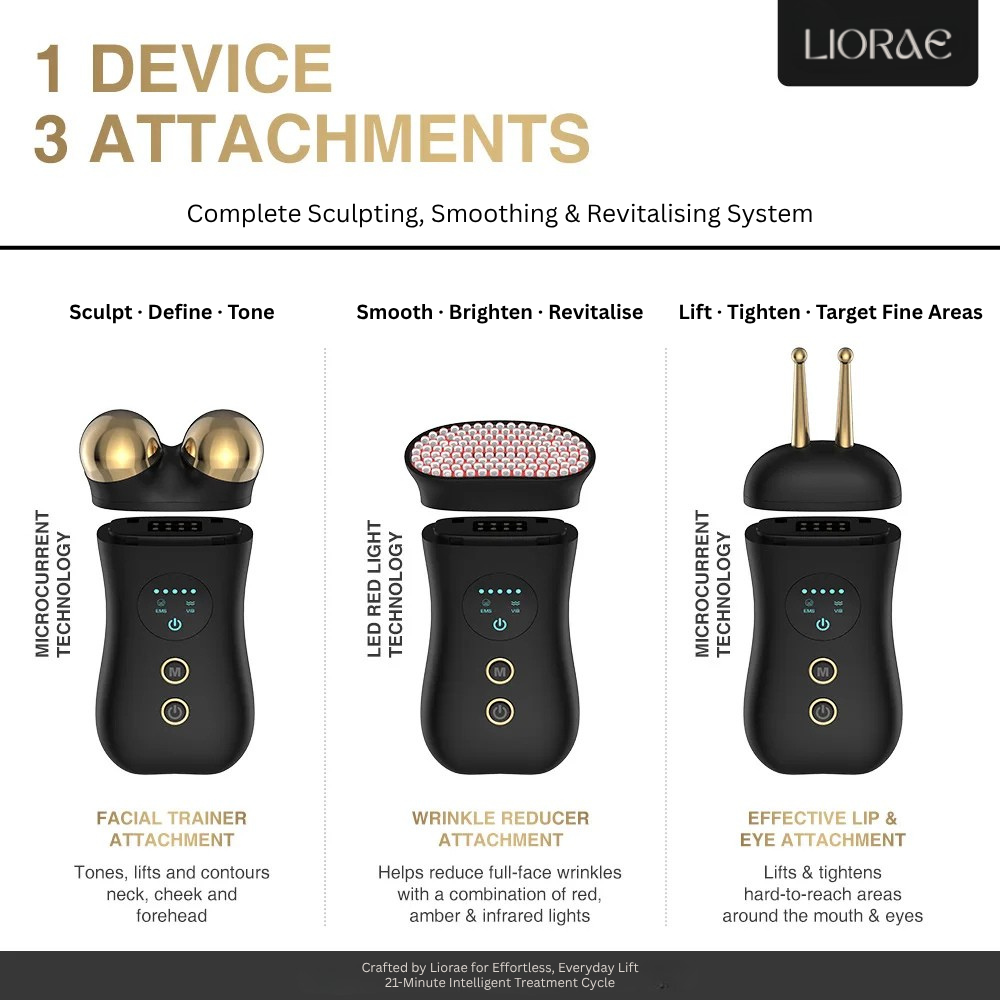
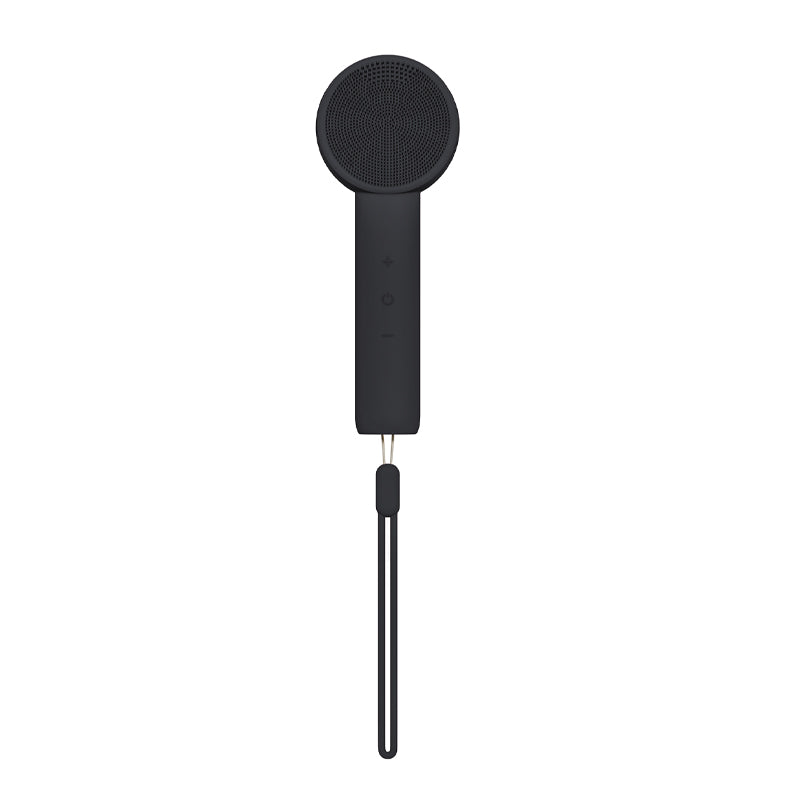
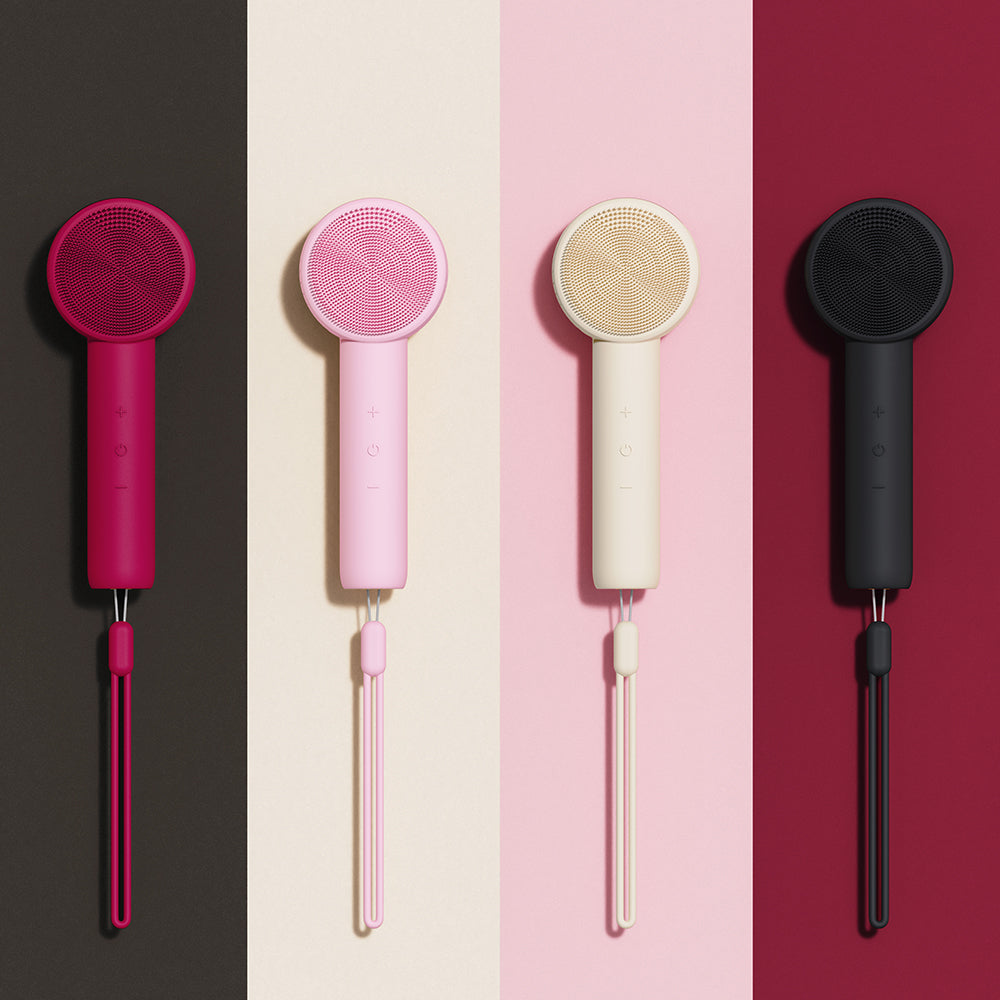
At Liorae, this technology appears in devices like LumiEye™, which is designed for the delicate eye area, and EMS Facial™, which supports a broader full-face treatment experience.
What Is Microcurrent?
Microcurrent is another electrical beauty technology, but it works differently.
It generally uses very low-level currents, often described as currents that are closer to the body’s own natural electrical signals. In skincare, microcurrent is typically spoken about in relation to skin support and more subtle electrical stimulation rather than the more direct muscle contractions associated with EMS.
While both technologies belong to the same family of advanced beauty devices, microcurrent is usually positioned as the gentler, lower-level category.
The Core Difference
The simplest way to understand the difference is this:
- EMS focuses more directly on muscle stimulation
- Microcurrent is generally associated with lower-level electrical support
In other words, EMS is more about activating muscles, while microcurrent is more often discussed as a more subtle current-based skincare technology.
That is the key distinction.
If someone is specifically interested in facial muscle stimulation, EMS is usually the more relevant conversation.
Why EMS Matters in Skincare
One of the reasons EMS has gained so much attention is because the face is not just skin.
Beneath the skin sits a network of muscles and tissue that influences expression, movement and, over time, the visible appearance of firmness and tone. While skincare products can support the surface beautifully, they do not stimulate muscle.
EMS brings something different into the ritual. For a broader look at how this technology fits into advanced beauty, read our EMS in skincare guide.
It introduces a more active, technology-led layer to beauty - one that feels especially relevant for women looking for advanced, non-invasive ways to support the appearance of their skin.
That is why EMS has become such an important category within Liorae’s skincare technology focus.
How EMS Feels Different in Practice
Because EMS is designed around muscle stimulation, it is often experienced differently from microcurrent.
Depending on the device and treatment area, users may notice the sensation of activation as the device works across the skin. This is one reason EMS is so often associated with the idea of a facial workout or more active stimulation.
At-home EMS devices are designed for cosmetic use and should always be used according to the product instructions, but from a category perspective, EMS tends to feel more directly connected to muscle engagement.
For many beauty customers, that distinction is exactly what makes it appealing.
Where Microcurrent Fits In
Microcurrent still has a place in the wider beauty-tech conversation.
For some users, it may appeal because it is often framed as a low-level electrical technology within skincare. But when people are specifically looking for a more active facial stimulation experience, EMS tends to stand apart.
This is one of the reasons comparison content matters so much. Customers deserve to understand not just what technologies are called, but what makes them different.
Which One Is Better?
The better question is not always which one is better overall, but which one is better suited to your goals.
If someone is interested in:
- facial muscle activation
- a more active electrical stimulation experience
- technology that supports a more energised-looking facial appearance
then EMS may feel more aligned with those goals.
If someone is exploring lower-level electrical skincare technologies more generally, they may also come across microcurrent in that search.
For Liorae, the focus is very much on the role of EMS in advanced, at-home skincare rituals.
Why Liorae Focuses on EMS
At Liorae, we are interested in technologies that support the future of skincare - technologies that go beyond surface-level rituals and offer a more advanced, clinically inspired approach to at-home beauty.
EMS fits that vision beautifully.
It is modern, non-invasive and deeply aligned with the shift toward more intelligent skincare experiences. It supports the growing understanding that beauty is no longer just about what you apply, but also about what you activate.
That is why EMS sits at the centre of devices like LumiEye™ and EMS Facial™.
Targeted EMS vs Full-Face EMS
One of the most exciting things about EMS is that it can be adapted for different treatment goals.
A targeted device like LumiEye™ focuses on the eye area, where fine lines, crow’s feet and tired-looking skin tend to show early and where more precise treatment matters.
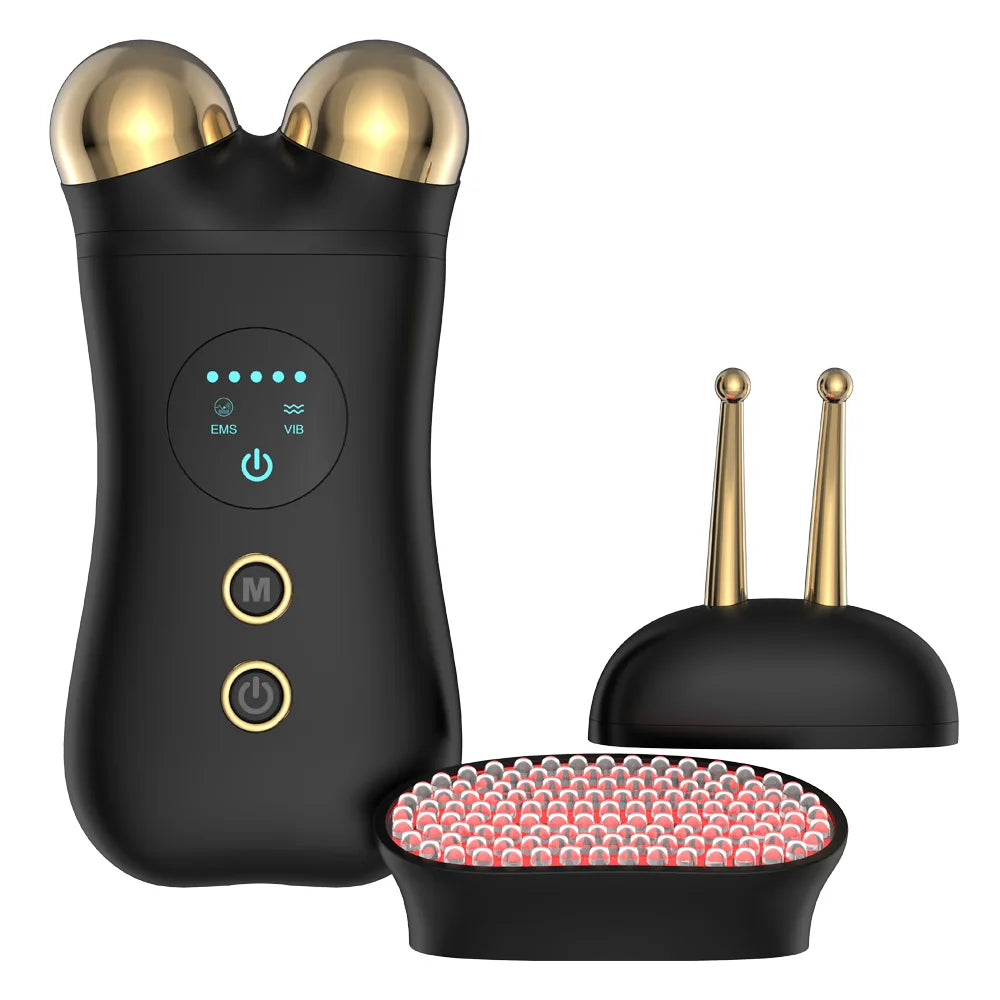
A broader device like EMS Facial™ supports a wider full-face ritual, making it ideal for those who want to incorporate facial muscle stimulation into a more comprehensive beauty routine.
This flexibility is one of the reasons EMS is becoming such a compelling category in advanced skincare.
Why This Conversation Matters
The beauty industry is full of buzzwords, and for many customers, it is becoming harder to tell what is meaningful and what is just marketing language.
That is why education matters.
Understanding the difference between EMS and microcurrent helps customers make more informed choices, feel more confident in the technologies they are using and better understand how these tools fit into a routine designed for long-term skin support.
At Liorae, this kind of education is part of the mission.
Because better beauty starts with better understanding.
The Future of Advanced Skincare
As skincare continues to evolve, technologies like EMS will keep shaping the future of at-home beauty.
The shift is clear: women want more from their skincare rituals. More understanding. More intention. More innovation. More options that feel empowering, effective and rooted in something deeper than trend language alone.
That is where EMS stands out.
It is part of a new generation of beauty technology designed to support the skin in a smarter, more active way - and for many, that is exactly what modern skincare has been missing.
For your future skin.