





LED vs Red Light vs NIR: Which Wavelength Is Best for Skin?
As skincare becomes more technology led, light therapy has quickly become one of the most talked about categories in modern beauty.
But while terms like LED, red light and near infrared are often used in the same conversation, they do not all mean the same thing. And when you are investing in an at home device, understanding that difference matters.
Because not all light therapy works in the same way.
Some wavelengths are associated with brightness and visible skin rejuvenation. Others are discussed in relation to deeper support, firmness and a more comprehensive treatment ritual. The result is a category that feels exciting, but often confusing, especially when every device promises something slightly different.
This guide breaks down the role of each major wavelength, how deeply it reaches, and which skin concerns it is best known for supporting, so you can understand the technology with more clarity and choose the ritual that best aligns with your goals.
If you’re new to the category, start with our guide to LED Light Therapy for Skin: Benefits, Colours and Results.
What Are LED Wavelengths?
Light therapy uses specific wavelengths, measured in nanometres, to support different responses within the skin.
The wavelength affects:
- how deeply the light travels
- which layers it is most associated with
- the kind of support it offers within a skincare ritual
That is why colour matters.
When people talk about LED therapy, they are often speaking about an entire category of light based skincare, but the specific wavelength is what shapes the role the treatment plays.
Red Light (620–660nm)
Best known for: visible rejuvenation, radiance, fine lines and skin vitality
Red light is one of the most recognised wavelengths in skincare, and for good reason. It is commonly associated with the mid layers of the skin, where it supports a more radiant, refreshed and revitalised looking complexion.
What Red Light Is Known For
- supporting visible skin rejuvenation
- helping improve the look of fine lines and texture
- promoting a brighter looking complexion
- supporting a more even, healthy looking skin tone
- complementing routines focused on glow and skin vitality
This is one reason red light has become such a staple in advanced beauty devices like Luma9™, and why it also appears in devices such as LiftXR™ and Mango+ Pro™.
If wrinkles and visible skin ageing are your focus, read our article on Does Red Light Therapy Really Work for Wrinkles?
Near Infrared Light (NIR: 780–850nm)
Best known for: firmness, elasticity and deeper support
Near infrared, often shortened to NIR, reaches deeper than visible red light. It is often discussed in beauty technology as a deeper penetrating wavelength associated with more advanced support beneath the surface.
That is part of what makes it so compelling.
While red light is often the more familiar name in skincare, near infrared is frequently the quiet powerhouse in more advanced light therapy devices.
What Near Infrared Is Known For
- supporting a more comprehensive rejuvenation ritual
- helping improve the look of firmness over time
- complementing routines focused on elasticity and resilience
- supporting a more layered approach to light therapy
- pairing beautifully with red light in advanced devices
This is why NIR appears in devices like Luma9™, LiftXR™ and Mango+ Pro™, where a more complete light therapy ritual is the goal.
LED Light: The Umbrella Term
This is where things often get confused.
LED stands for light emitting diode. In skincare, LED refers to the delivery system, the technology that emits the light itself.
Red light, blue light, green light, yellow light and near infrared are the specific wavelengths being delivered.
So in simple terms:
- LED is the delivery system
- red light, blue light and NIR are the individual wavelengths
That distinction matters, especially when comparing devices or trying to understand what a treatment is actually designed to do.
Blue Light
Best known for: breakout prone or oilier skin conversations
Blue light is often included in skincare technology for its association with blemish focused routines.
What Blue Light Is Known For
- supporting breakout prone skincare rituals
- helping reduce visible surface congestion
- appearing in scalp or blemish related devices
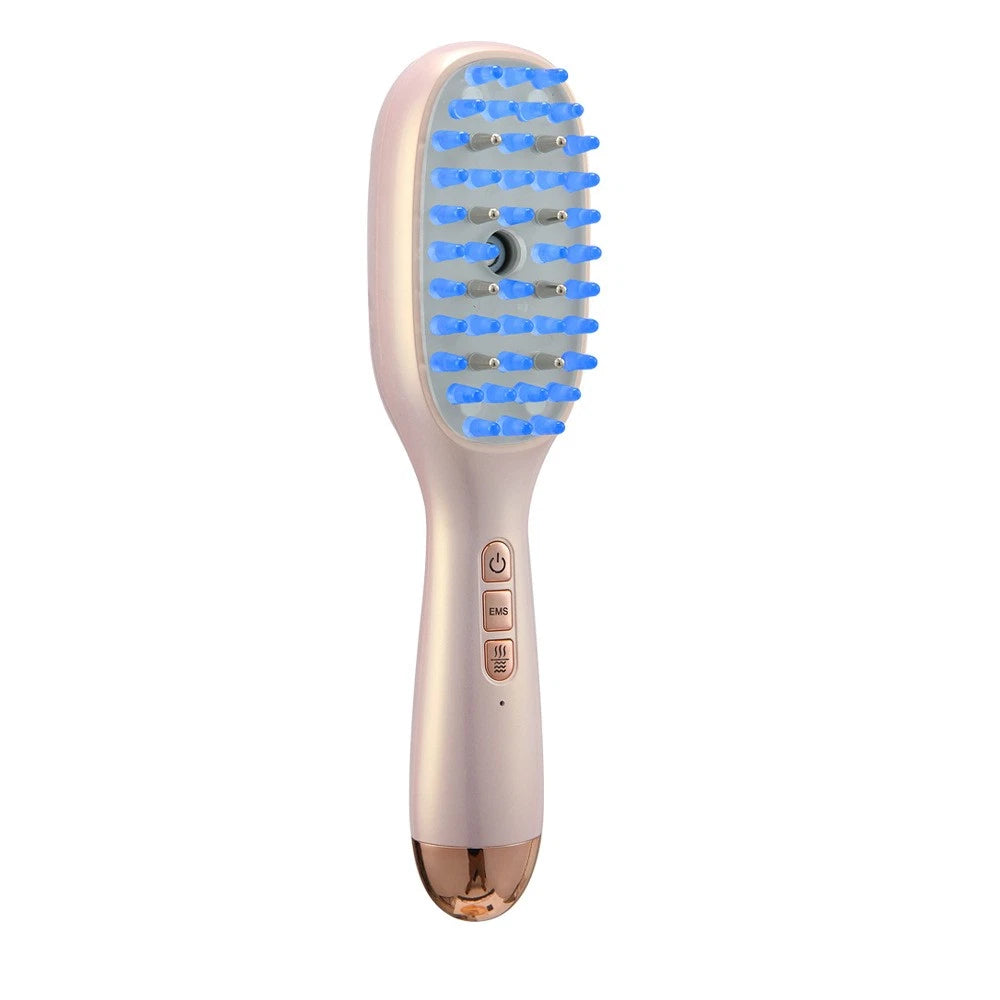
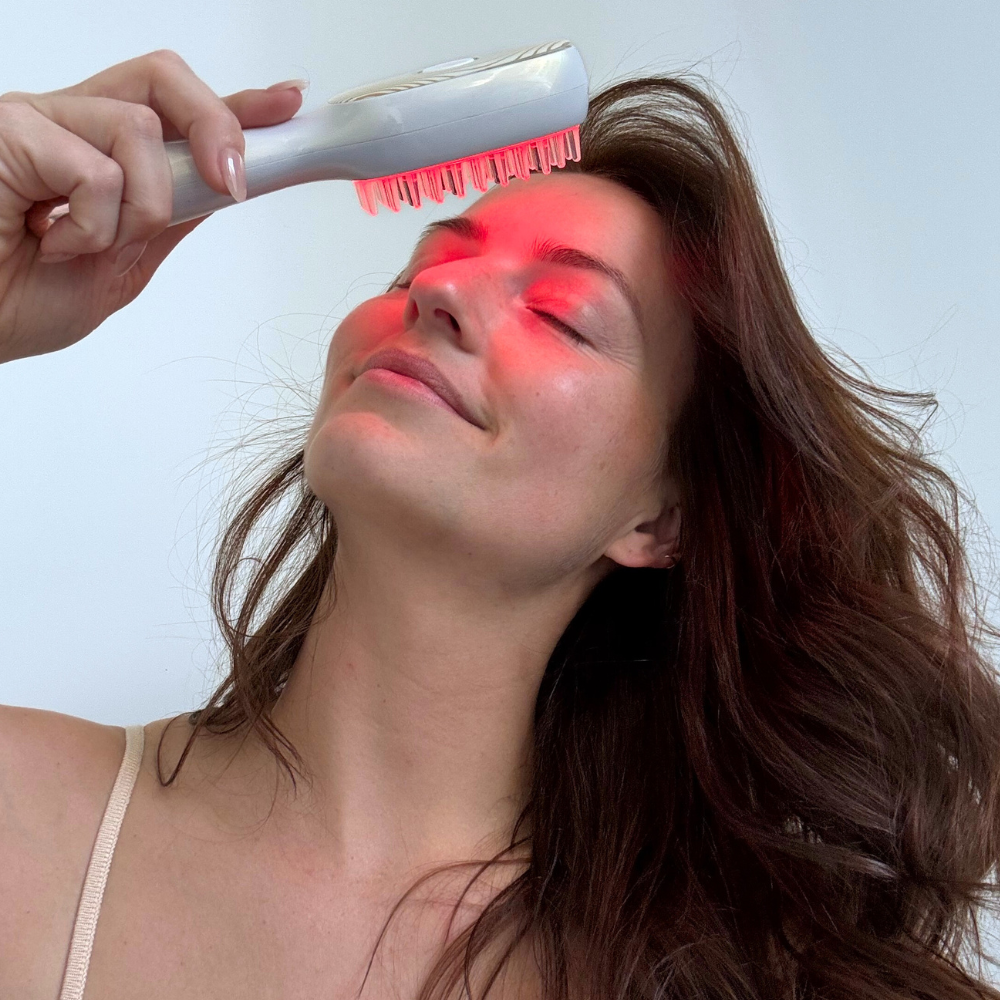
This wavelength is often used in devices like Nano Comb™, where blue and red LED are paired together in a scalp focused treatment setting.
Green and Yellow Light
These wavelengths are often discussed in relation to brightness, visible calmness and overall tone.
Green Light
Green light is commonly associated with:
- a more balanced looking complexion
- support for uneven looking tone
- pigmentation focused beauty conversations
Yellow Light
Yellow light is often associated with:
- a brighter looking complexion
- visible calmness in the skin
- support for dull or uneven looking skin
- a more refreshed overall look
These wavelengths often appear in multi mode LED masks or devices designed to offer a broader treatment experience.
How Deep Does Each Wavelength Go?
This is where light therapy becomes especially interesting.
Different wavelengths are associated with different depths, which is why they are often combined in more advanced devices.
General depth guide
- Blue light: more surface level
- Red light: mid layer support
- Near infrared: deeper support beneath the surface
This is exactly why multi wavelength devices can feel more complete. They do not rely on one light mode alone. They create a more layered treatment ritual that supports the skin in multiple ways at once.
Which Wavelength Is Best for Your Skin Concern?
For fine lines and visible rejuvenation
Red light (625–660nm)
A strong choice in routines focused on smoother looking, brighter, more refreshed skin.
For firmness and elasticity
Near infrared (780–850nm)
Often associated with deeper support beneath the surface.
For overall rejuvenation
Red light + near infrared
A layered combination that supports both visible radiance and a more complete treatment ritual.
For brightness
Red light or yellow light
For skin that looks tired or stressed
Red light or yellow light
For uneven looking tone
Green light
For breakout prone skin conversations
Blue light
Why Multi Wavelength Devices Feel More Complete
Devices like Luma9™ use multiple targeted wavelengths to support the skin at different depths.
That creates a more layered experience:
- surface level support for visible brightness and calmness
- mid layer support for skin vitality and rejuvenation
- deeper support for firmness, resilience and a more complete ritual
Single wavelength devices can still be useful, but multi wavelength systems often feel more advanced because they support more than one skin goal at once.
Where Liorae Devices Fit In
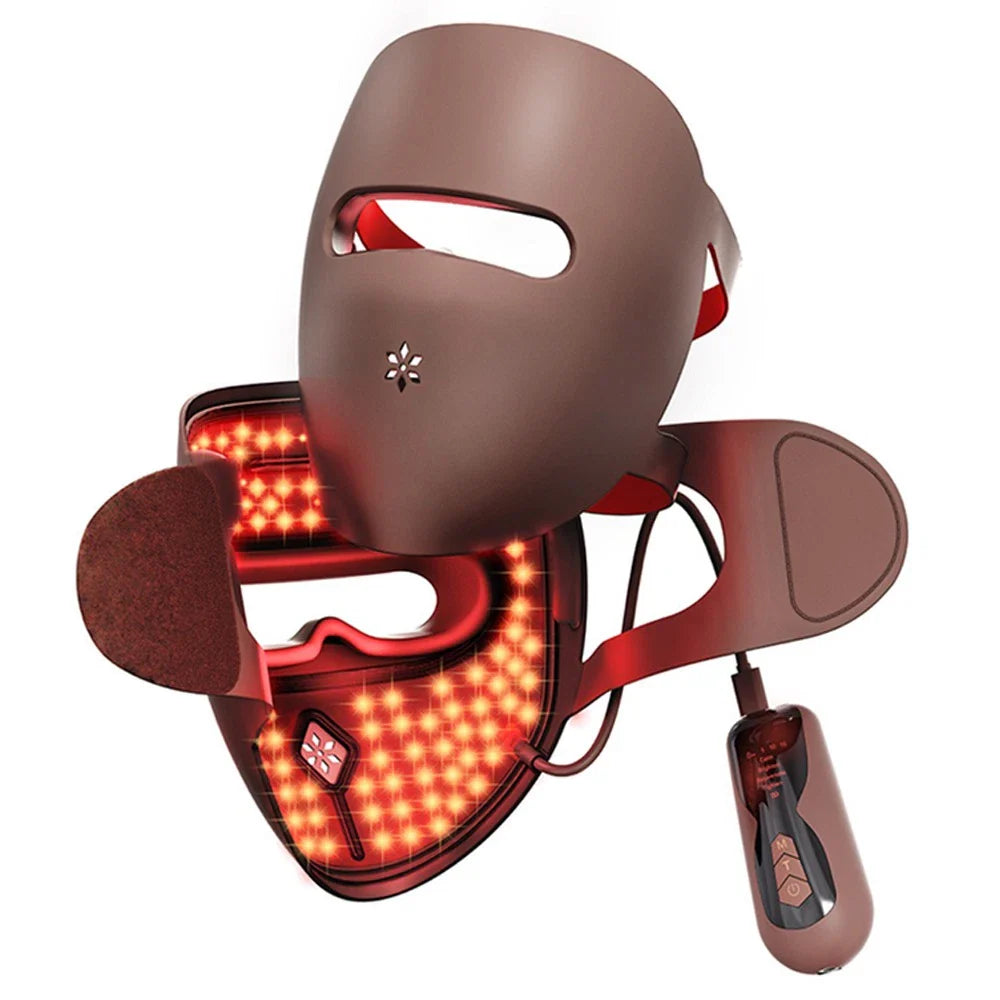
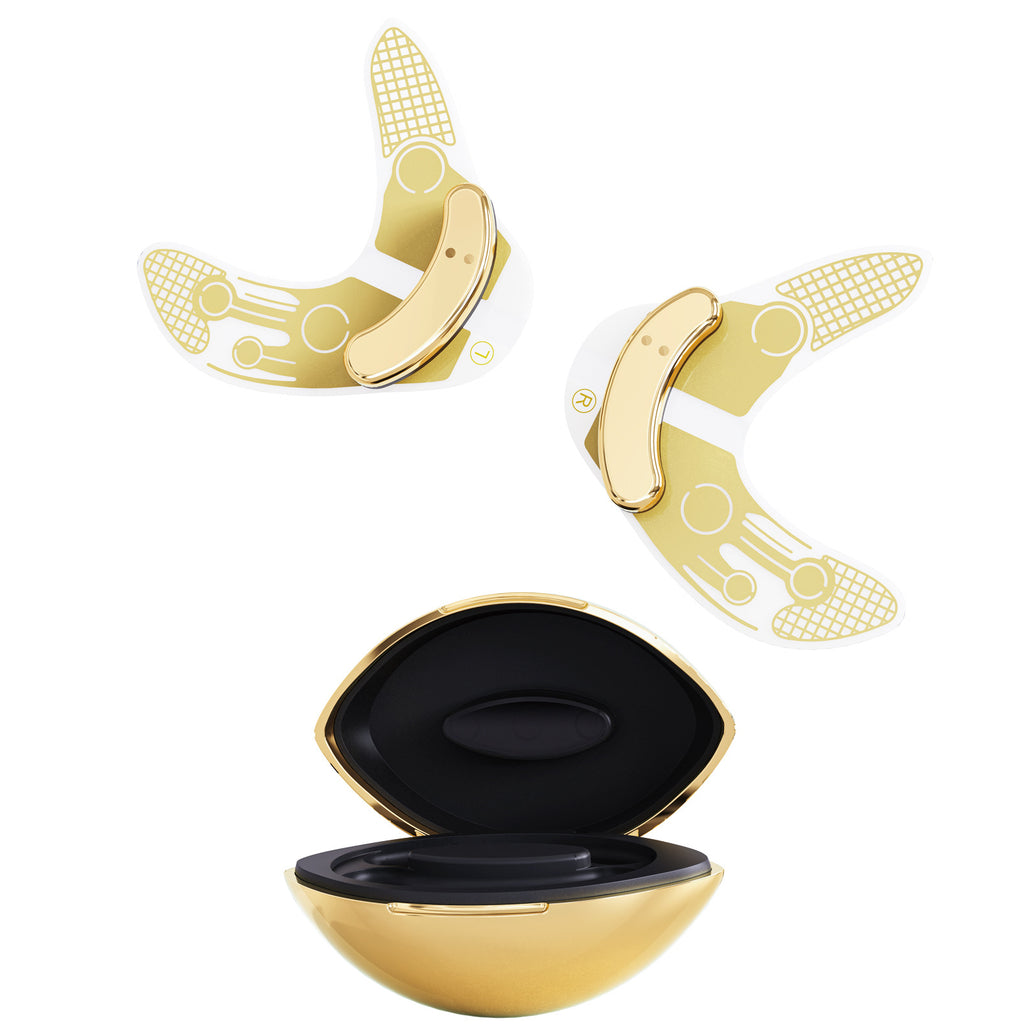
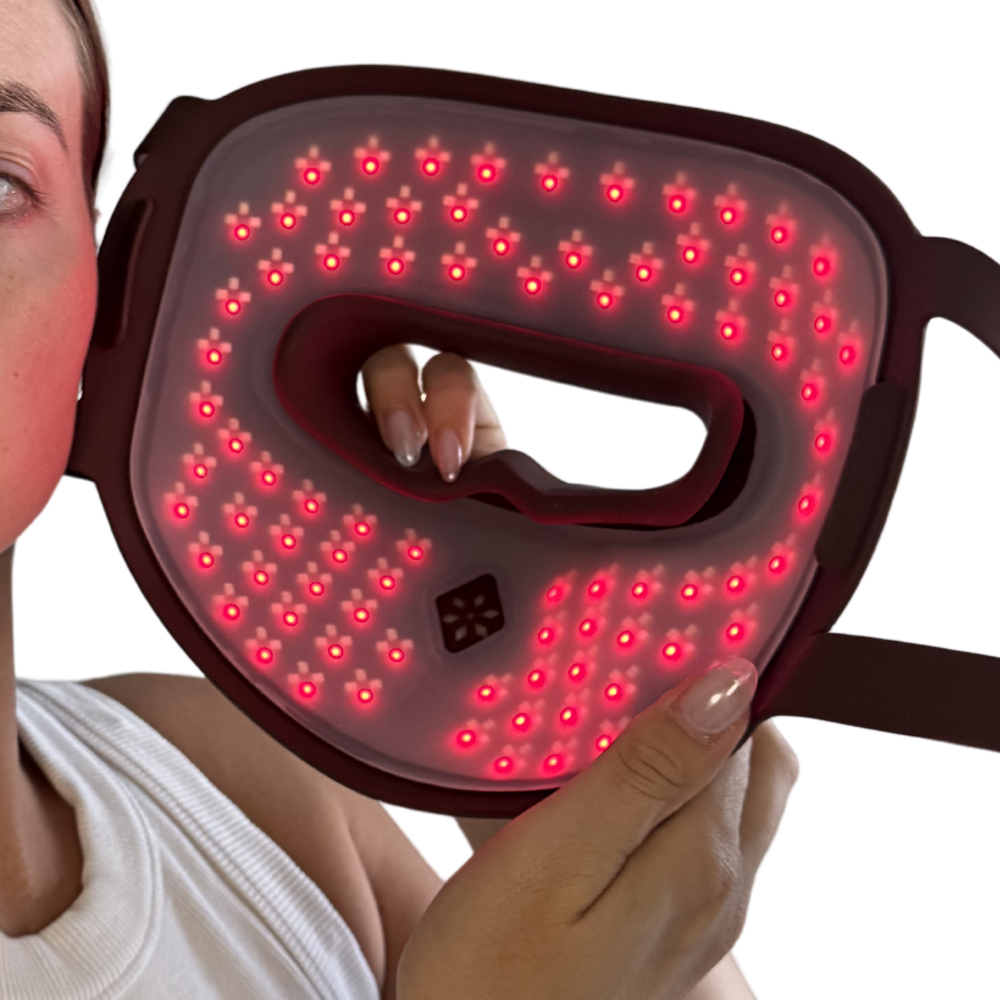
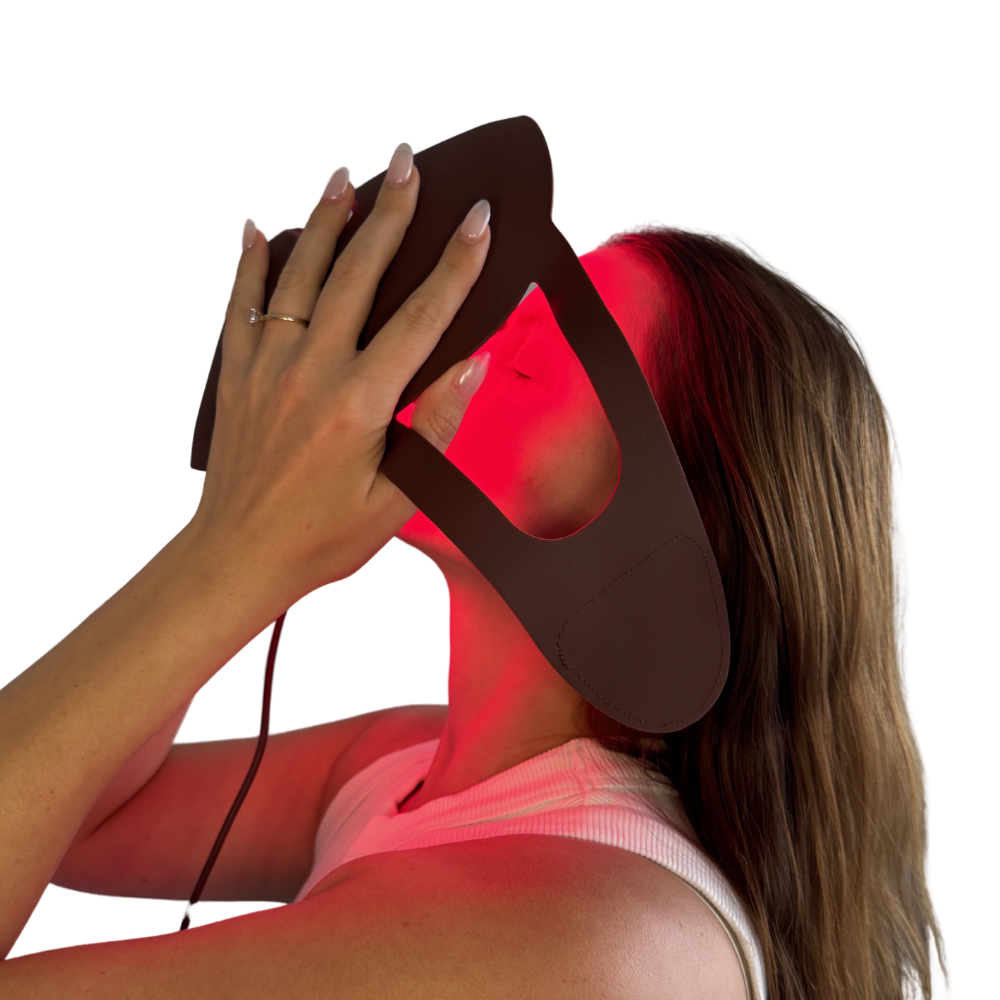
Luma9™ LED + NIR Mask
- flexible silicone design for full face coverage
- red light for visible rejuvenation support
- near infrared for deeper support
- ideal for skin looking dull, tired or uneven
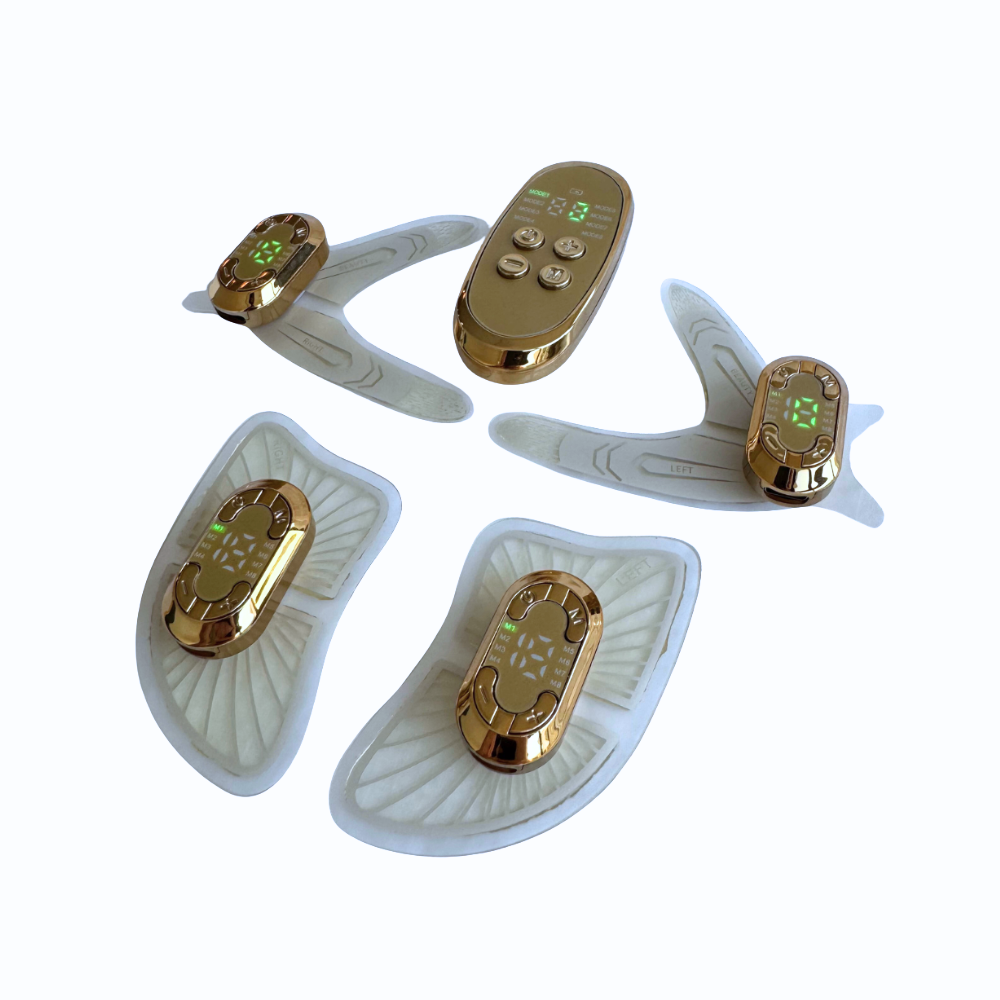
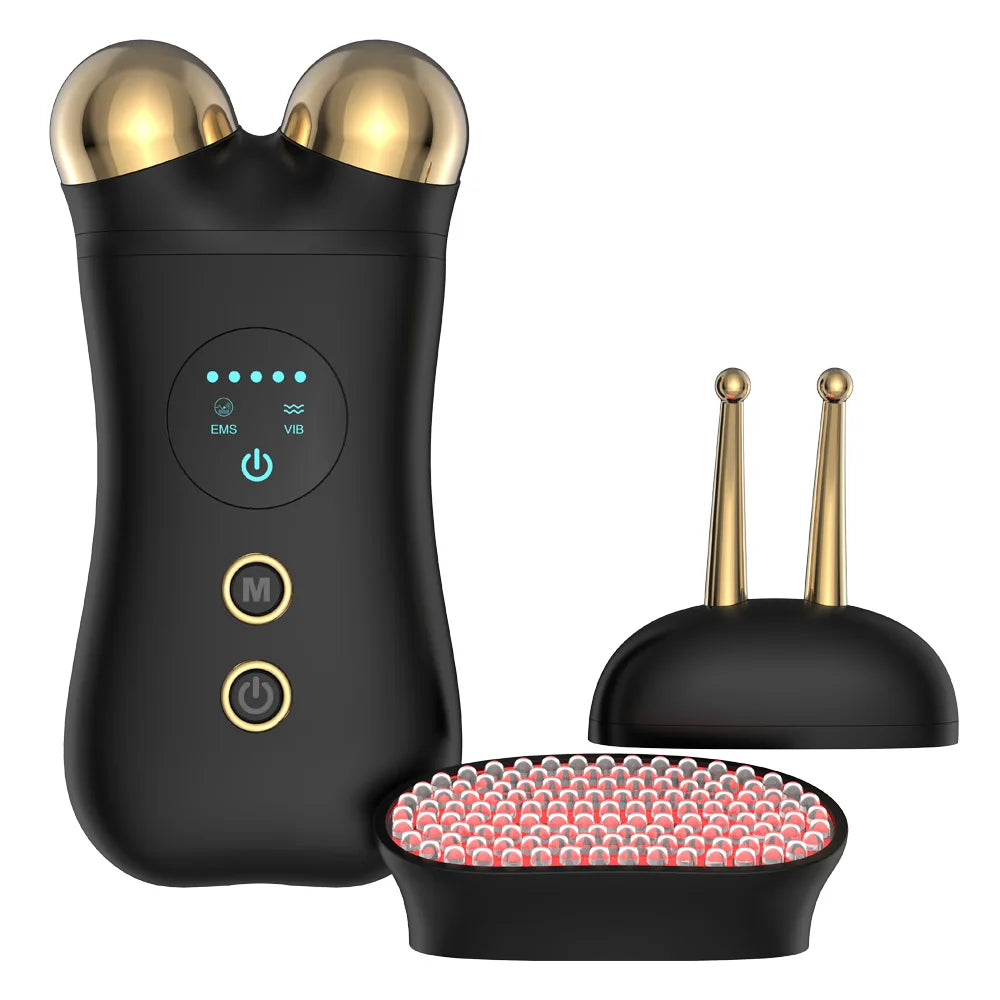
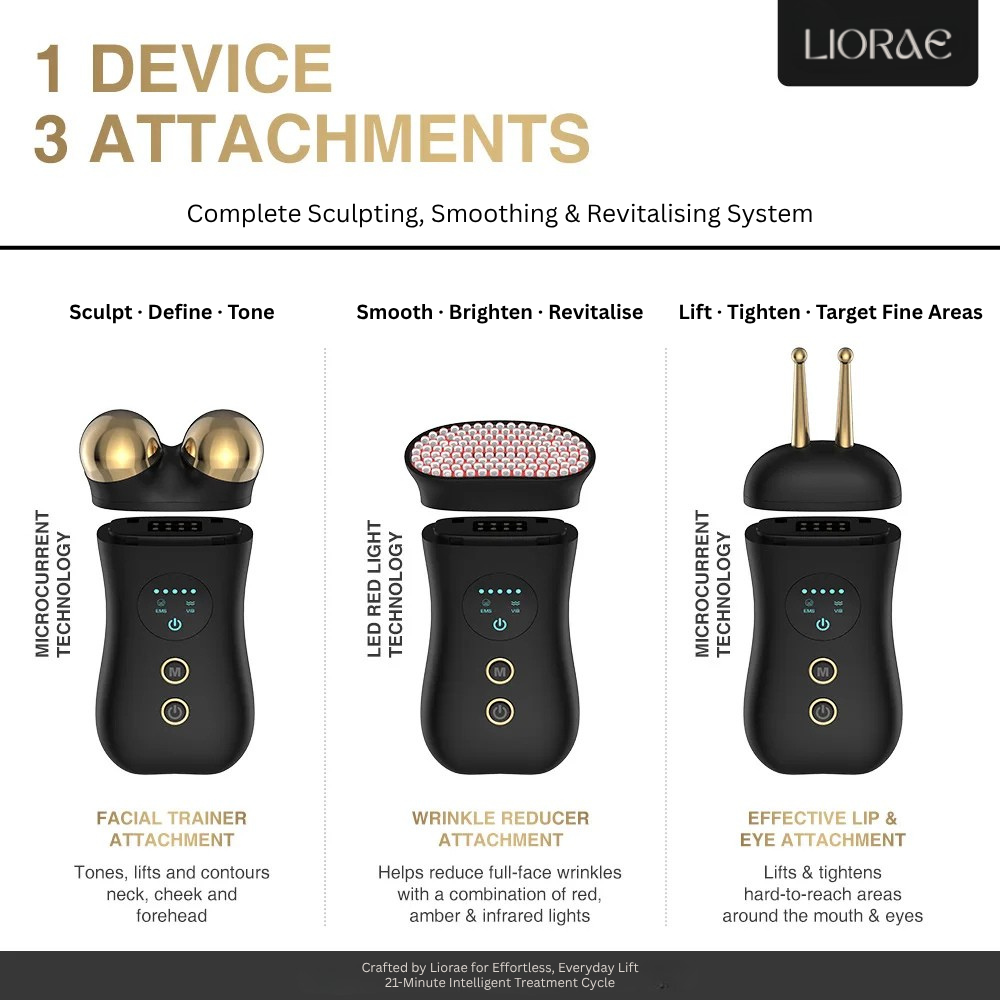
LiftXR™
- EMS + red light + NIR
- combines facial stimulation with light based support
- precision design for smaller treatment areas
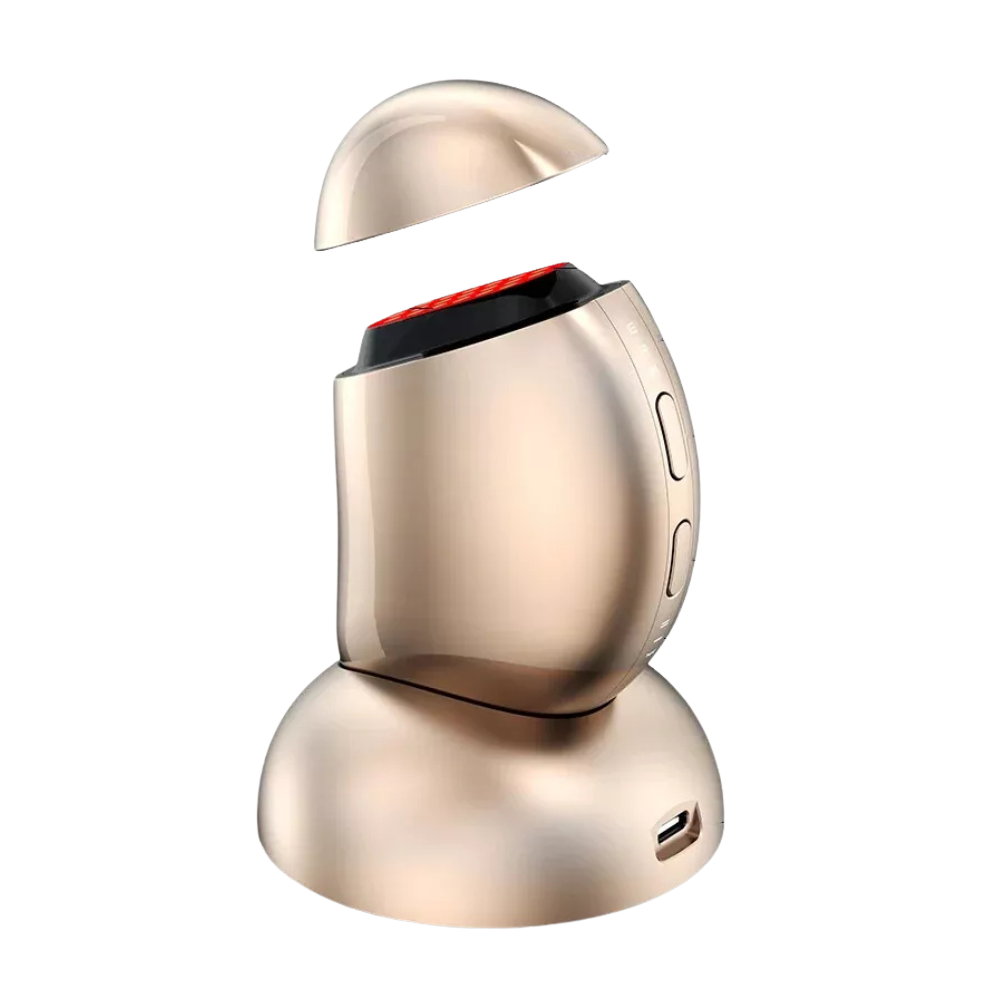
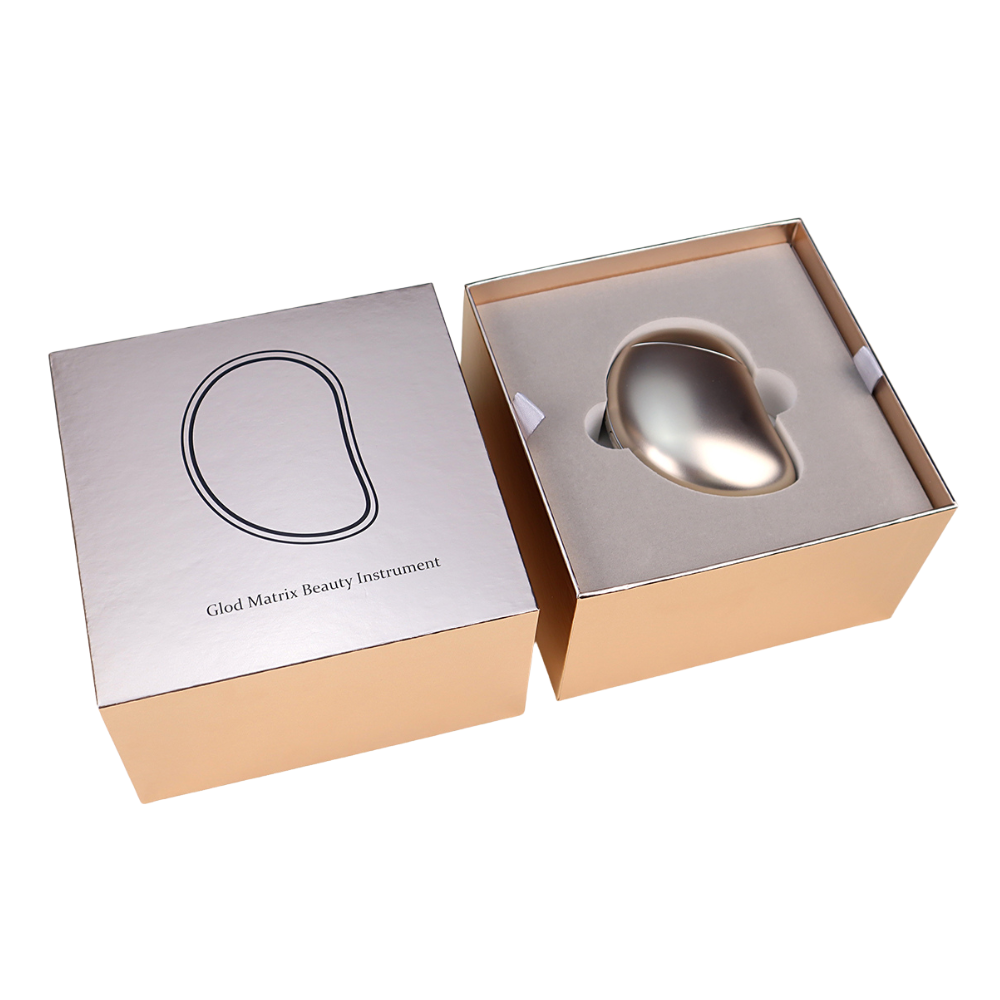
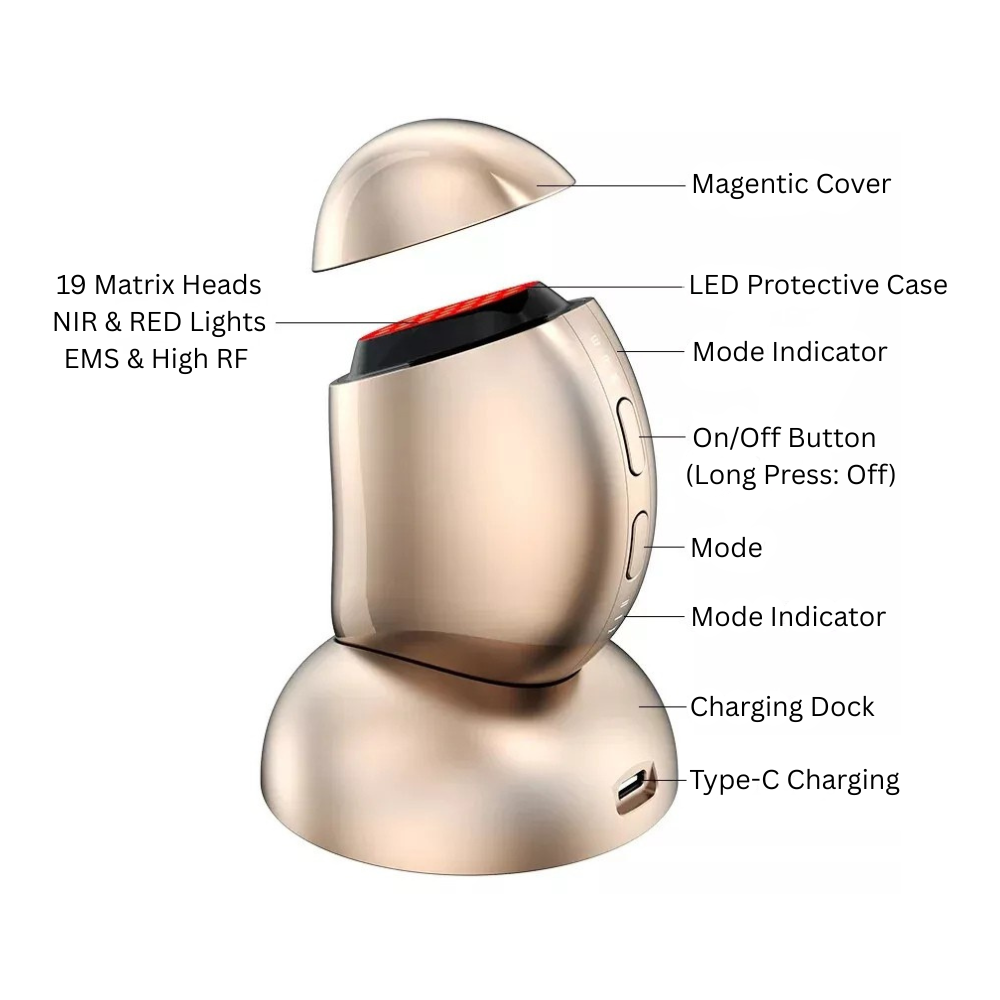
Mango+ Pro™
- EMS + RF + red light + NIR
- a more advanced multi technology ritual
- designed to support firmness, lift, brightness and texture
Nano Comb™
- red light for scalp and follicle support
- blue light for scalp focused routines
So, Which Wavelength Is Best?
There is no single winner, because each wavelength supports the skin in a different way.
But when the goal is visible rejuvenation, firmness and a more complete light therapy ritual, the strongest conversation continues to centre around:
- red light
- near infrared
- the combination of both
That is exactly why so many advanced Liorae devices are built around these two powerhouse wavelengths.
Final Thoughts
Light therapy is one of the most exciting categories in modern skincare because it offers something more layered than the traditional product only approach.
Whether your focus is brightness, fine lines, firmness or a more complete rejuvenation ritual, understanding the difference between wavelengths is one of the best ways to make smarter decisions about the devices you bring into your routine.
Technologies like red light and near infrared each play a different role, and when combined, they create a more considered, more intelligent approach to at home skincare.
That is why multi wavelength devices like Luma9™, LiftXR™ and Mango+ Pro™ continue to shape the future of beauty technology, supporting the skin in a way that feels advanced, wearable and designed for real life.