




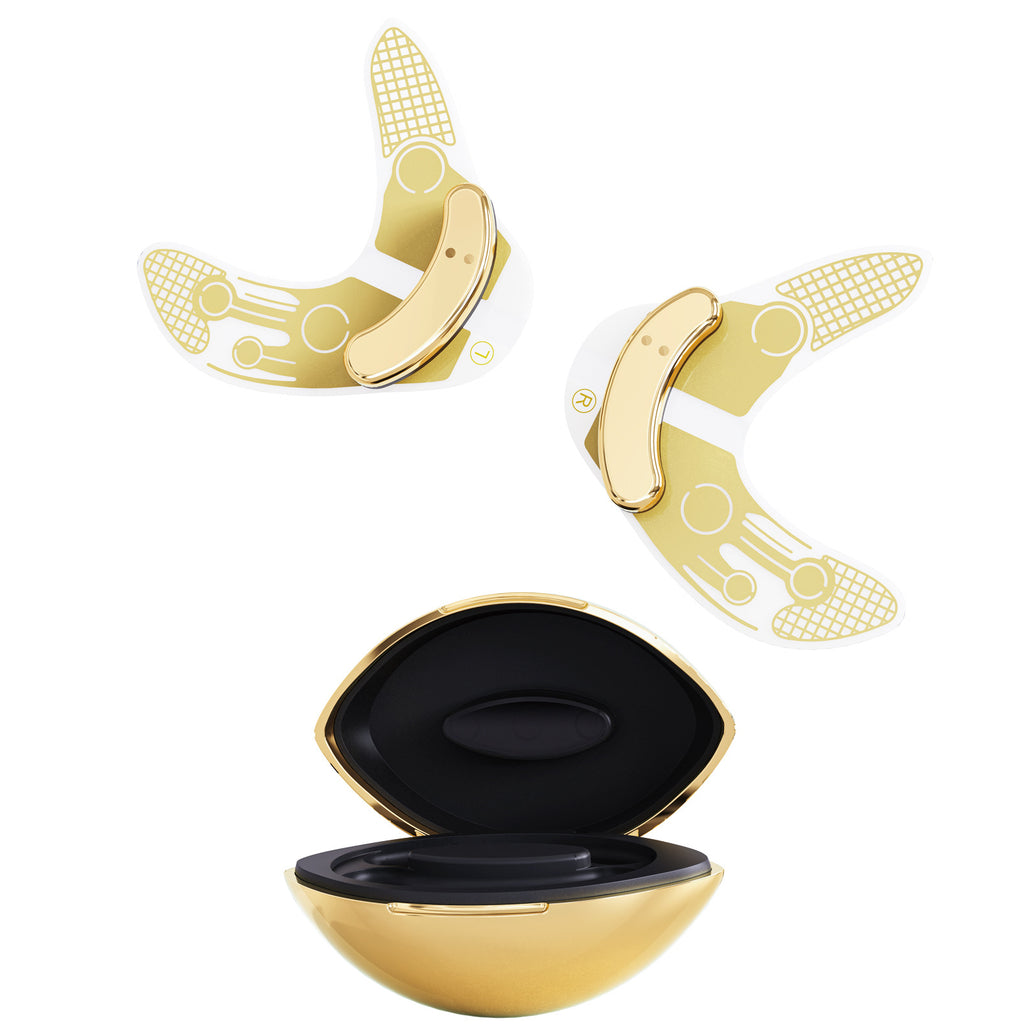

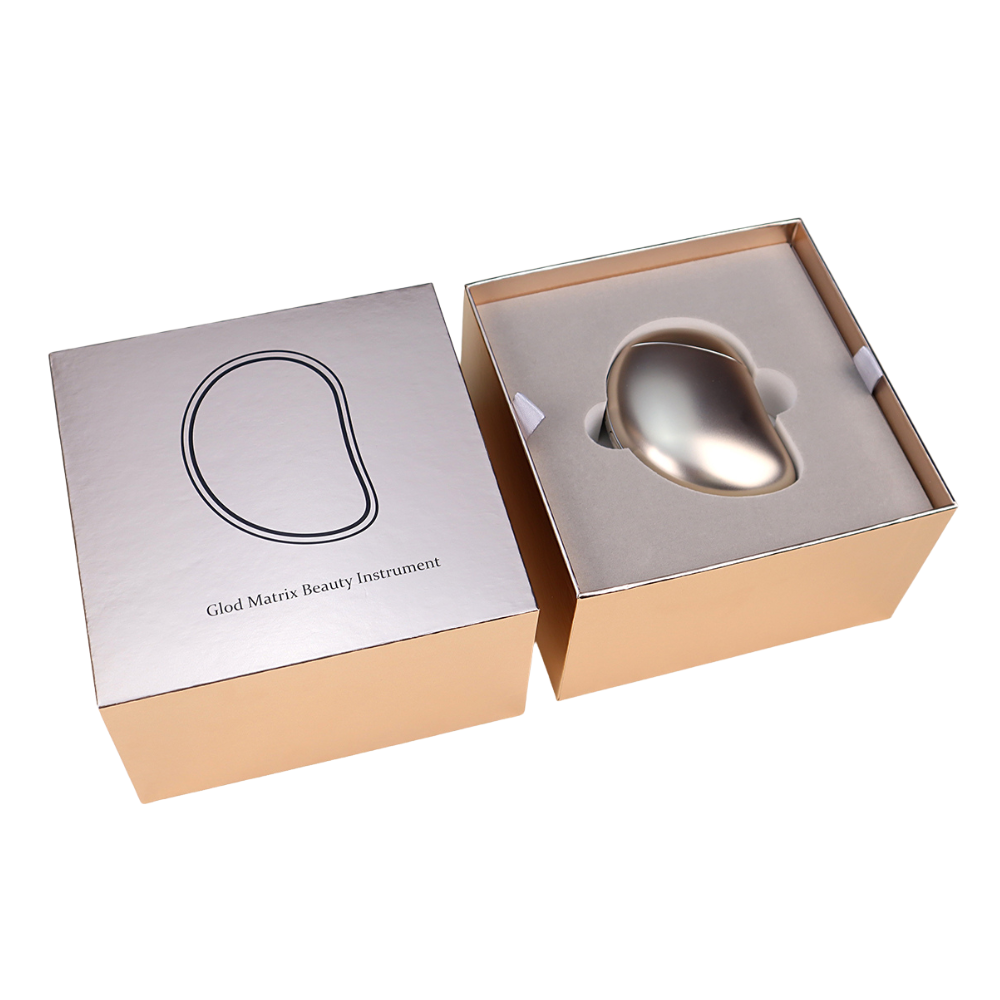
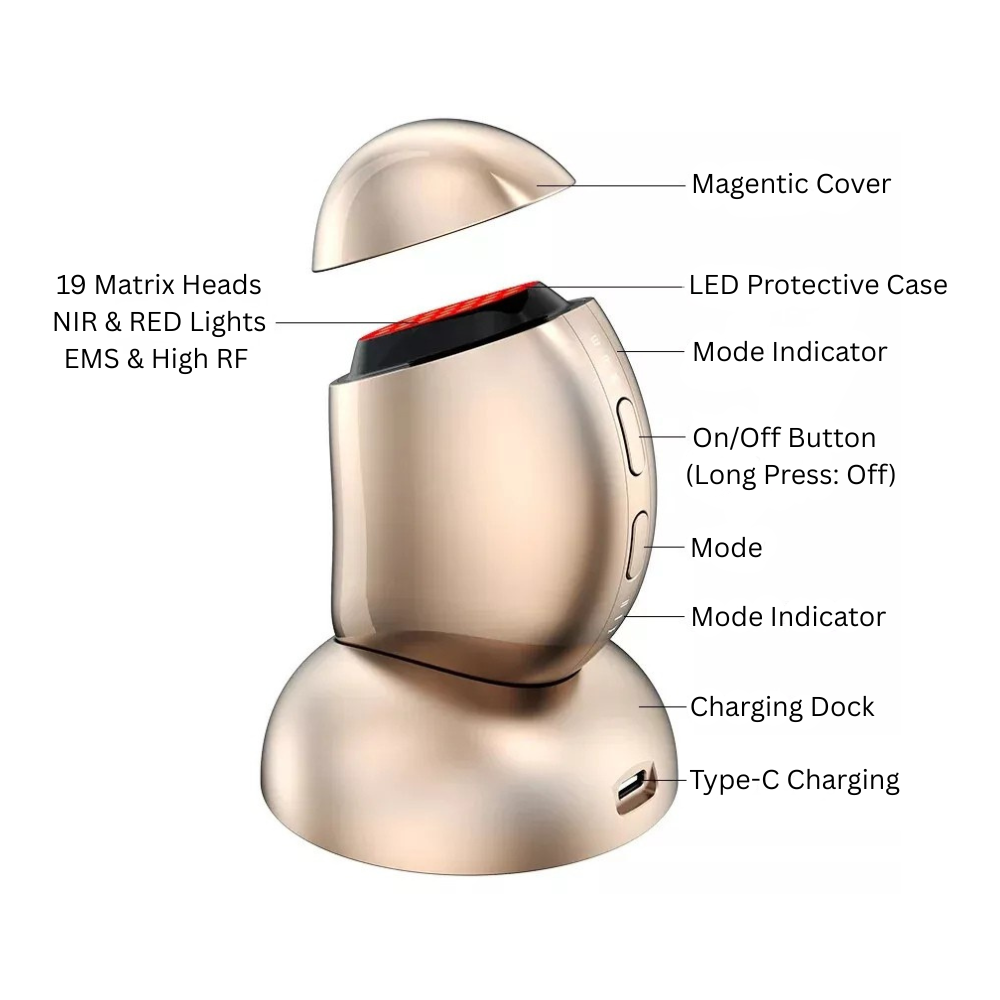
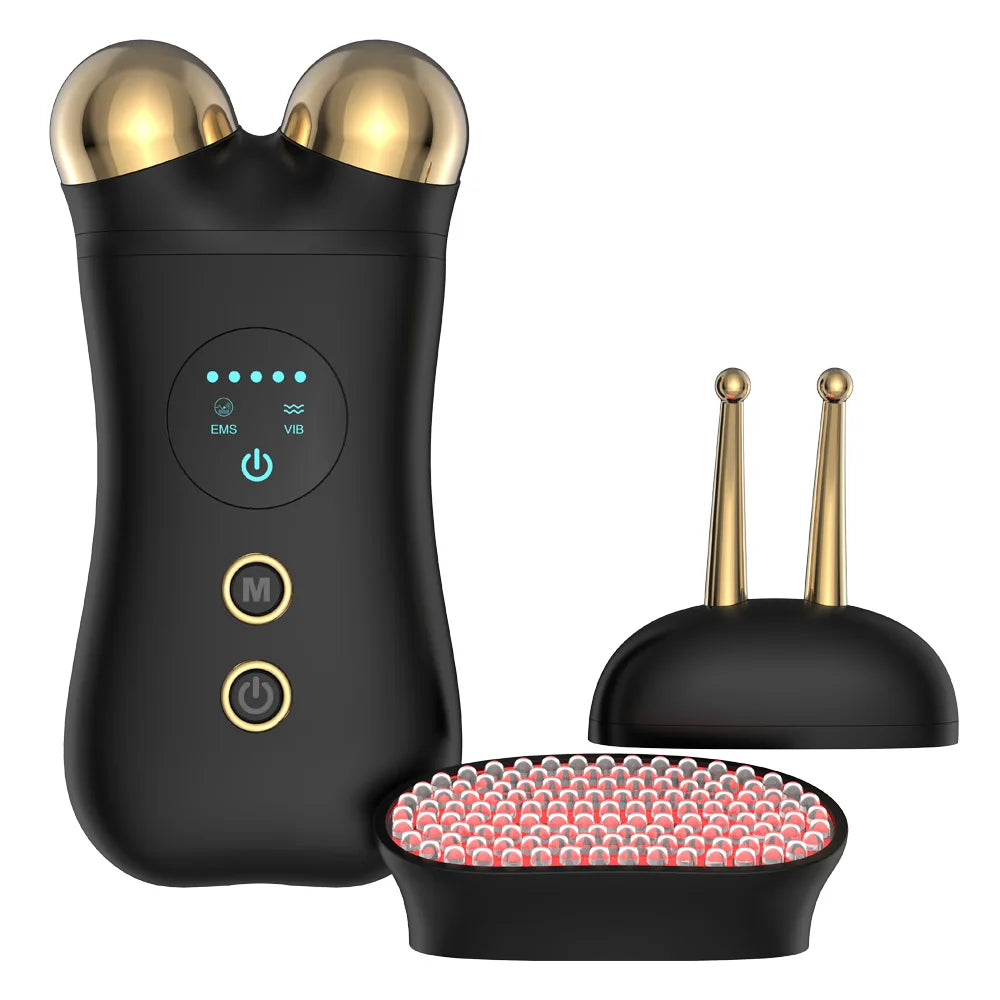
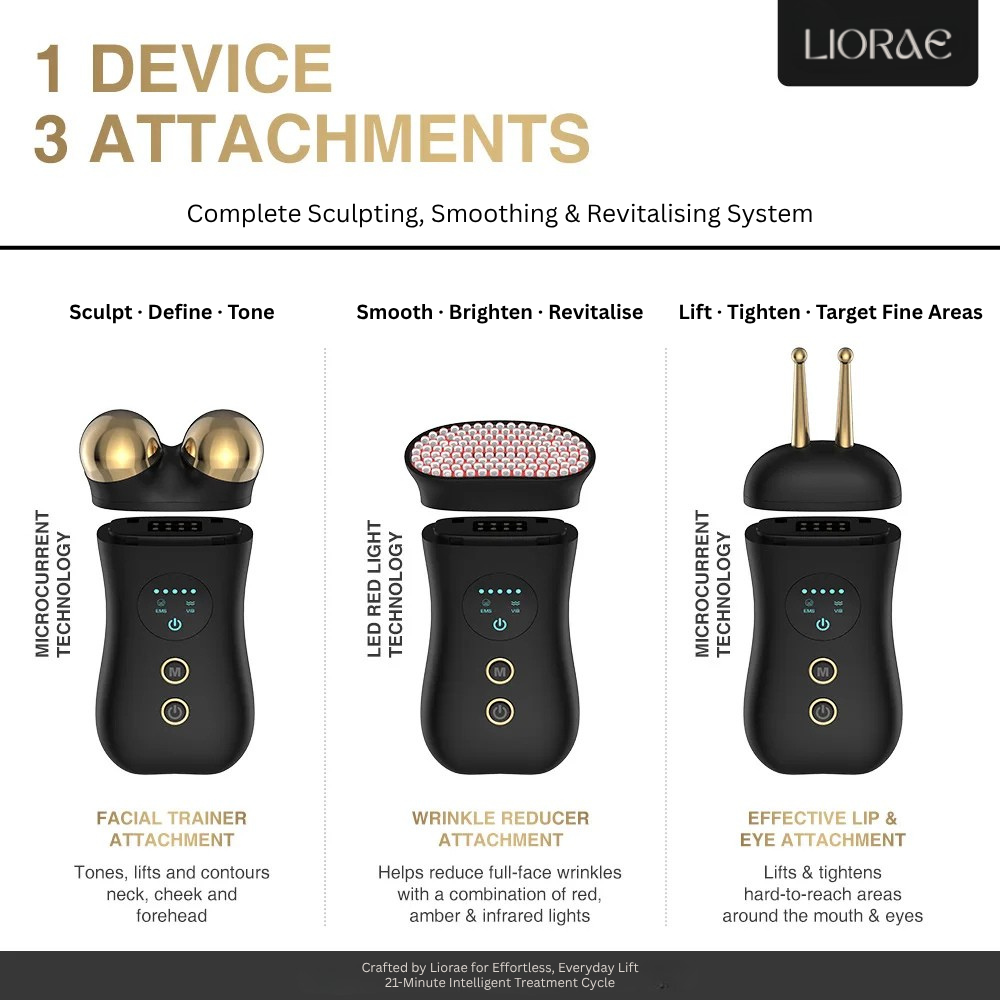
Skincare has officially entered its technology era.
What once felt futuristic is now becoming part of the modern beauty routine, with more women looking beyond traditional creams and serums toward devices designed to support the skin in smarter, more advanced ways. One of the most talked-about technologies in that shift is LED light therapy.
From red light to near infrared, LED-based skincare is no longer reserved for clinics and treatment rooms. It has become one of the most exciting categories in at-home beauty, offering a non-invasive way to support the skin through light-based technology designed to work beneath the surface.
But while LED light therapy has become increasingly popular, it is also one of the most misunderstood.
What do the different colours actually do? Is red light the same as near infrared? And why are so many beauty lovers making space for LED masks in their routines?
This is your guide to how LED light therapy works, what the different wavelengths mean and why it has become such a defining part of the future of skincare.
What Is LED Light Therapy?
LED stands for light-emitting diode.
In skincare, LED light therapy uses specific wavelengths of light to support the skin in different ways depending on the colour and depth of penetration. Each wavelength interacts differently with the skin, which is why different light colours are often associated with different skincare goals.
What makes LED therapy so compelling is that it offers a non-invasive, technology-led approach to supporting the skin without downtime. Rather than relying only on what is applied topically, LED devices introduce a new kind of ritual - one built around targeted light exposure and consistency over time.
This is one of the reasons LED has become such an important part of the beauty-tech conversation.
How LED Light Therapy Works
Light therapy works by delivering carefully selected wavelengths to the skin.
Different wavelengths penetrate to different depths, which is why colour matters. Some are more associated with surface-level support, while others are discussed in relation to deeper layers of the skin.
This is where LED skincare becomes more interesting than people often expect. It is not just one type of light doing one thing. It is a category of technologies, each designed to support the skin in a slightly different way depending on the wavelength being used.
That is why understanding the colours is so important.
Why LED Light Therapy Has Become So Popular
There is a reason LED skincare has moved from niche to mainstream.
Women are increasingly looking for beauty rituals that feel more advanced, more intentional and more aligned with the future of skincare. They want options that are non-invasive, at-home and rooted in something more than trend language alone.
LED light therapy fits that shift perfectly.
It feels elevated, science-led and practical. It can be used at home. It integrates easily into a routine. And it reflects the bigger movement happening in beauty - one where technology is becoming just as important as topical skincare.
Red Light Therapy Benefits
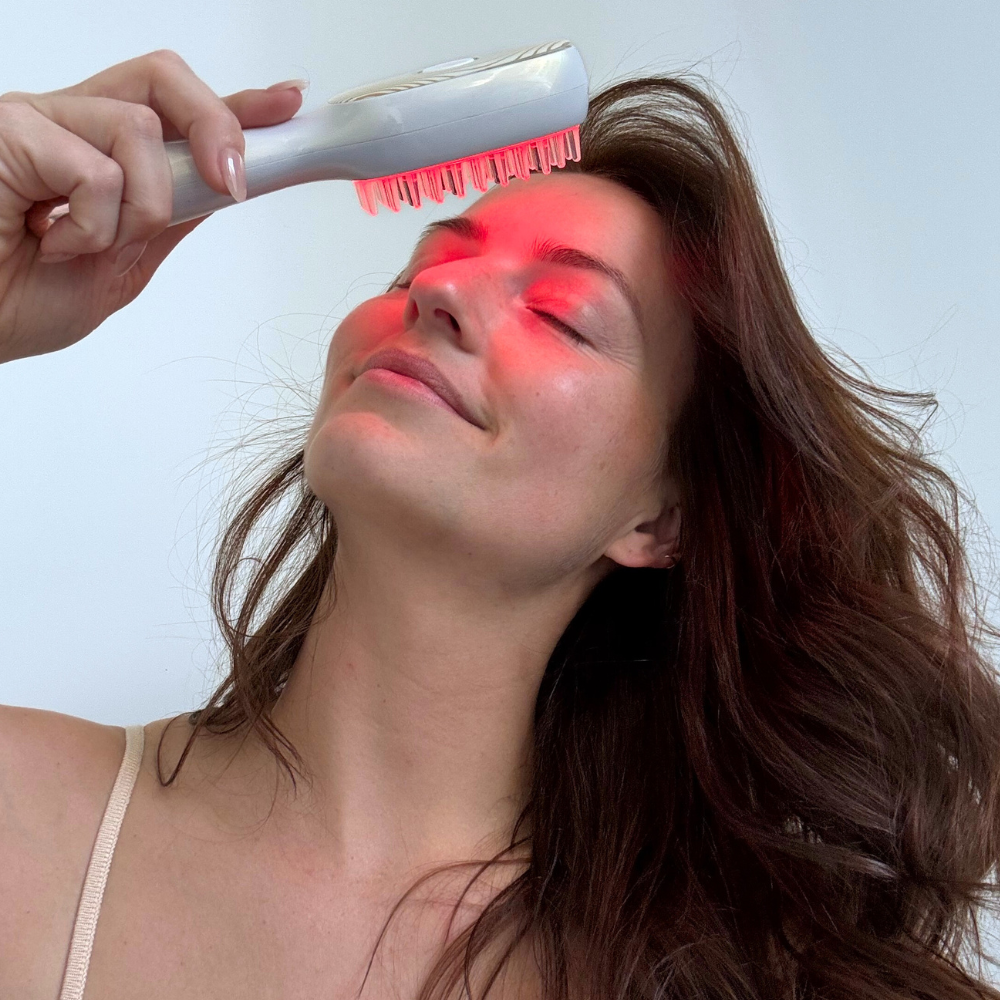
Of all the LED wavelengths, red light therapy is one of the most widely recognised in skincare.
It is often associated with supporting skin renewal and helping promote a healthier-looking, more revitalised complexion. In the beauty world, red light is frequently discussed in relation to the visible appearance of skin smoothness, brightness and overall rejuvenation.
This is one reason red light has become such a staple in advanced beauty devices.
For many women, red light therapy represents the first step into beauty technology because it feels both accessible and effective. It is one of the most recognisable categories within LED skincare - and for good reason.
If you want a more detailed comparison of wavelengths, explore our guide to LED vs Red Light vs NIR.
What Is Near Infrared Light?
Near infrared, often shortened to NIR, is one of the most exciting parts of advanced light therapy.
Unlike visible light colours, near infrared sits just beyond what the eye can clearly see. It is typically discussed in beauty technology as a deeper-penetrating wavelength, which is why it often appears in more advanced devices designed to support a broader, more comprehensive treatment ritual.
This is also why near infrared can feel a little more mysterious to customers. It is less visible, less understood and often more associated with high-performance skincare devices.
But in many ways, it is one of the most important technologies in the conversation.
Red Light vs Near Infrared
This is one of the most common questions in beauty tech.
While both are often used in advanced skincare devices, they are not the same.
- Red light is visible and commonly associated with skin rejuvenation and surface-visible radiance
- Near infrared is less visible and often discussed in relation to deeper support beneath the surface
Together, they create a more layered light therapy ritual.
This is one reason devices that combine both are so compelling. Rather than relying on a single wavelength, they offer a more advanced approach to light therapy that feels more complete.
If you’d like a deeper breakdown of this difference, you can also read our guide to Photobiomodulation Explained.
What About Green, Yellow and Blue Light?
LED skincare is not limited to red light alone.
Different light colours are associated with different skincare goals, which is why many advanced devices offer multiple settings.
In beauty technology, these colours are often discussed like this:
- Red light for rejuvenation support
- Near infrared for deeper support
- Green light for calming-looking support
- Yellow or amber light for brightness support
- Blue light for blemish-prone skin conversations
What matters most is not simply having multiple colours, but understanding why they are there and how they fit into an intentional skincare ritual.
This is what separates advanced LED skincare from novelty.
LED Light Therapy and At-Home Skincare
One of the biggest reasons LED has grown so quickly is that it translates beautifully to at-home use.
Clinic-based light treatments helped build awareness, but at-home devices have made the technology far more accessible. Now, women can incorporate LED therapy into everyday routines in a way that feels realistic, elevated and easy to maintain.
That matters because consistency is everything with beauty technology.
The best skincare rituals are the ones that fit into real life and LED masks have become especially appealing because they allow users to combine advanced treatment with convenience.
Are LED Face Masks Worth It?
For the right person, absolutely.
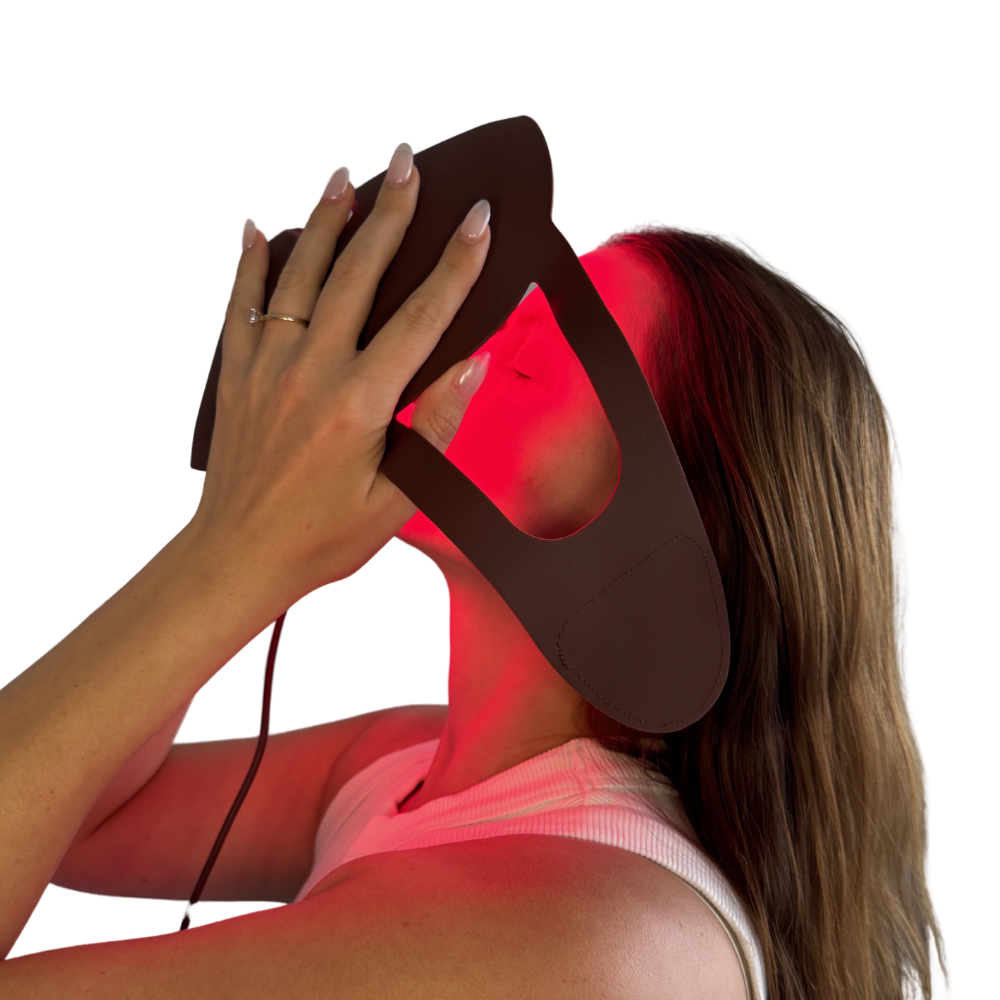
LED face masks have become one of the most exciting categories in beauty because they bring professional-inspired technology into the home in a way that feels wearable and modern.
What makes them worth considering is not just the technology itself, but the ritual they create.
A quality LED mask can become part of a long-term skincare routine that feels consistent, intentional and rooted in something more advanced than topical products alone.
The key is choosing a device that offers thoughtful design, strong light technology and a combination of wavelengths that genuinely supports a more complete treatment experience.
Where Luma9™ Fits In
This is exactly where Luma9™ comes in.
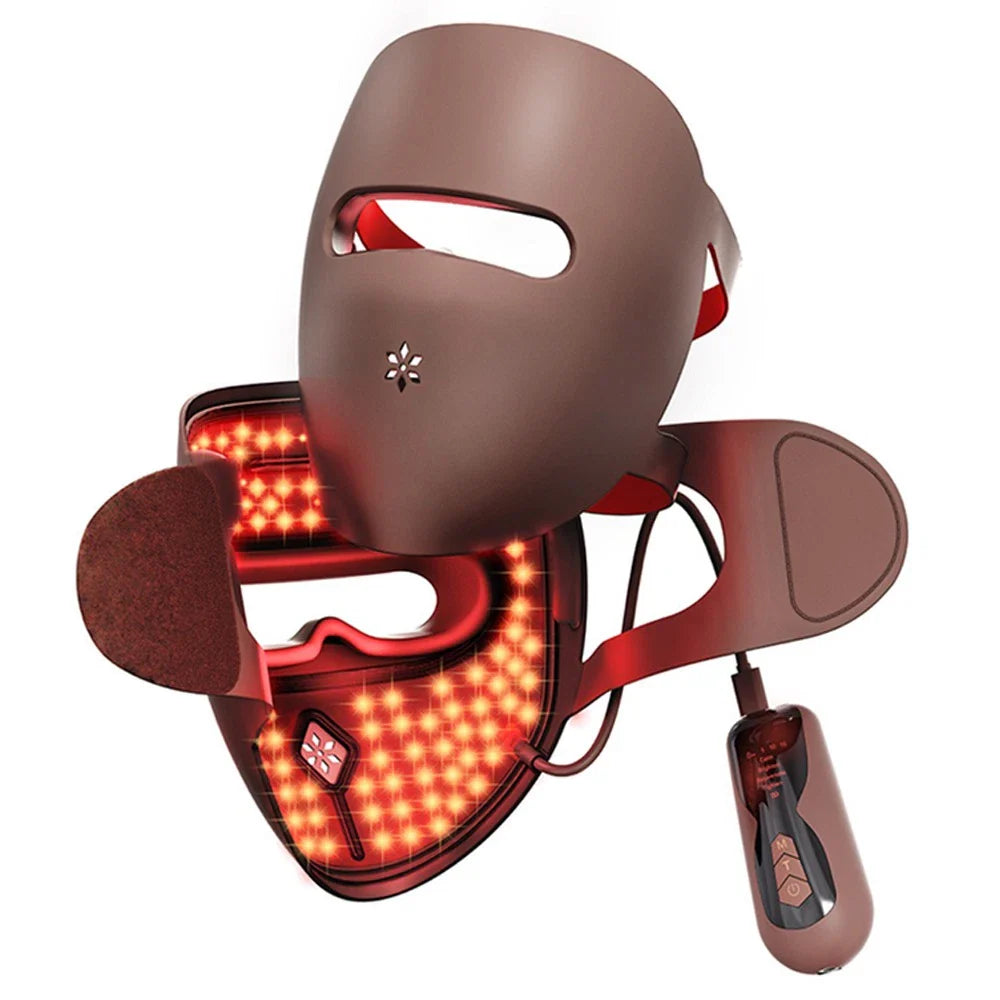
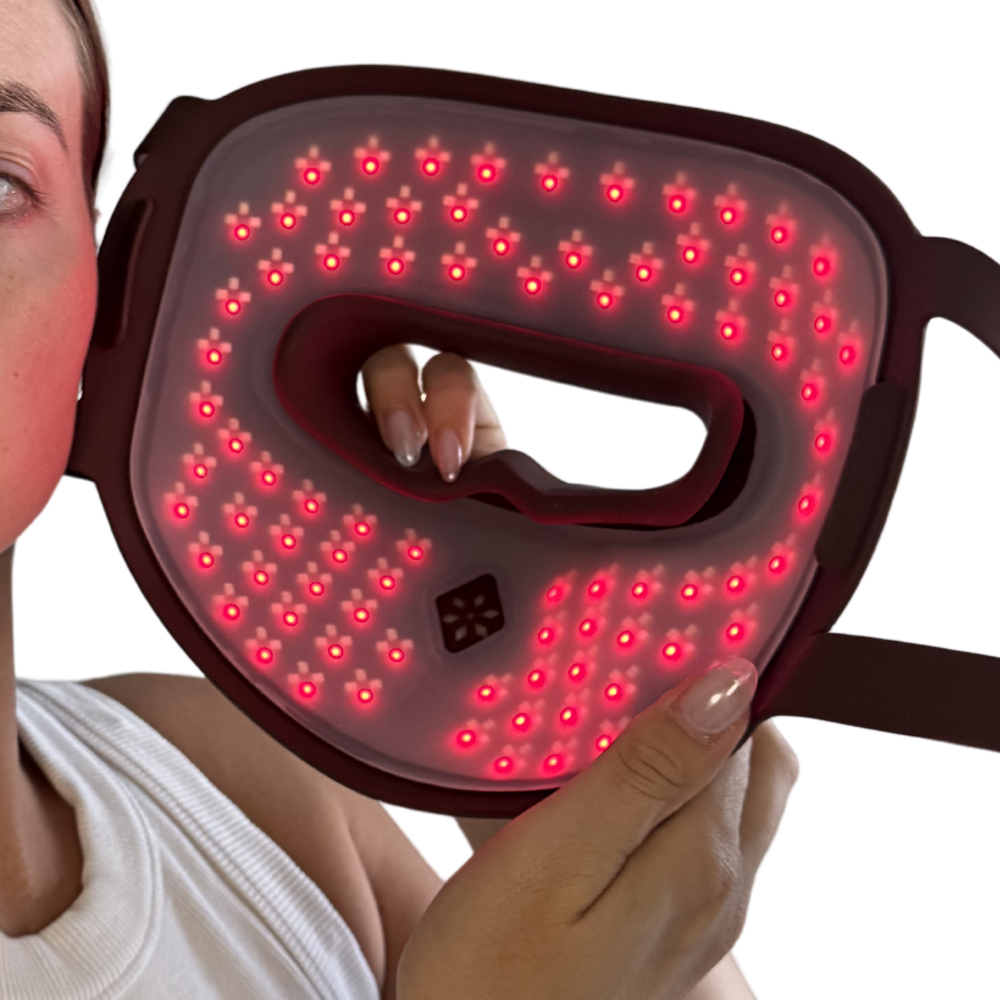
Designed as a flexible LED and near infrared face mask, Luma9™ combines advanced light therapy in a way that feels both elevated and practical. With a skin-hugging silicone fit and multiple light modes, it is designed to support a more comfortable and more complete at-home light therapy ritual.
Rather than treating LED as a one-note beauty trend, Luma9™ reflects what modern skincare technology is actually becoming - more advanced, more wearable and more in tune with real life.
For women looking to bring red light, near infrared and multi-mode LED support into their routine, Luma9™ offers a more thoughtful path into the future of skincare.
Why This Technology Represents the Future of Skincare
LED light therapy is not just having a moment. It reflects something bigger.
Skincare is becoming more intelligent, more layered and more technology-led. Women are no longer satisfied with products that simply sit on the surface. They want rituals that feel proactive, modern and aligned with the way beauty is evolving.
LED therapy speaks directly to that shift.
It offers a non-invasive way to support the skin through consistency, light-based technology and more specialised at-home rituals. It belongs to the new era of skincare - one where devices, not just products, are becoming central to how women care for their skin over time.
At Liorae, this is exactly the kind of beauty future we believe in.
Advanced. Non-invasive. Designed for real life.
Always for your future skin.