





When it comes to modern skincare, few technologies have captured attention quite like red light therapy.
It has moved well beyond the clinic and into the everyday beauty routine, finding its place in at-home masks, skincare rituals and the wider conversation around ageing well. It is sleek, non-invasive and increasingly seen as one of the most exciting technologies in beauty. But for all the interest around it, one question continues to come up: does red light therapy actually work for wrinkles?
It is a fair question. Wrinkles are one of the most universal skin concerns, and also one of the most misunderstood. They are not caused by one single thing, nor are they solved by one miracle product. Which is exactly why red light therapy has become so compelling. It offers something that feels a little more advanced. A little more intentional. A little more in step with where skincare is heading.
Wrinkles Are More Complex Than We Like to Think
Fine lines and wrinkles are often spoken about as though they appear overnight, but the reality is far more layered.
Skin changes gradually. Expression, sun exposure, collagen decline, dehydration and the simple passage of time all play a role in how the face begins to look and feel over the years. Some areas soften. Some areas crease more easily. Some begin to lose that naturally fresh, bouncy look they once had without much effort.
This is part of why wrinkle care has evolved so much. It is no longer just about applying a cream and hoping for the best. More and more, women are looking for skincare that feels intelligent - routines that combine topical support with technologies designed to work in a different way.
That is where red light therapy enters the picture.
So, What Is Red Light Therapy?
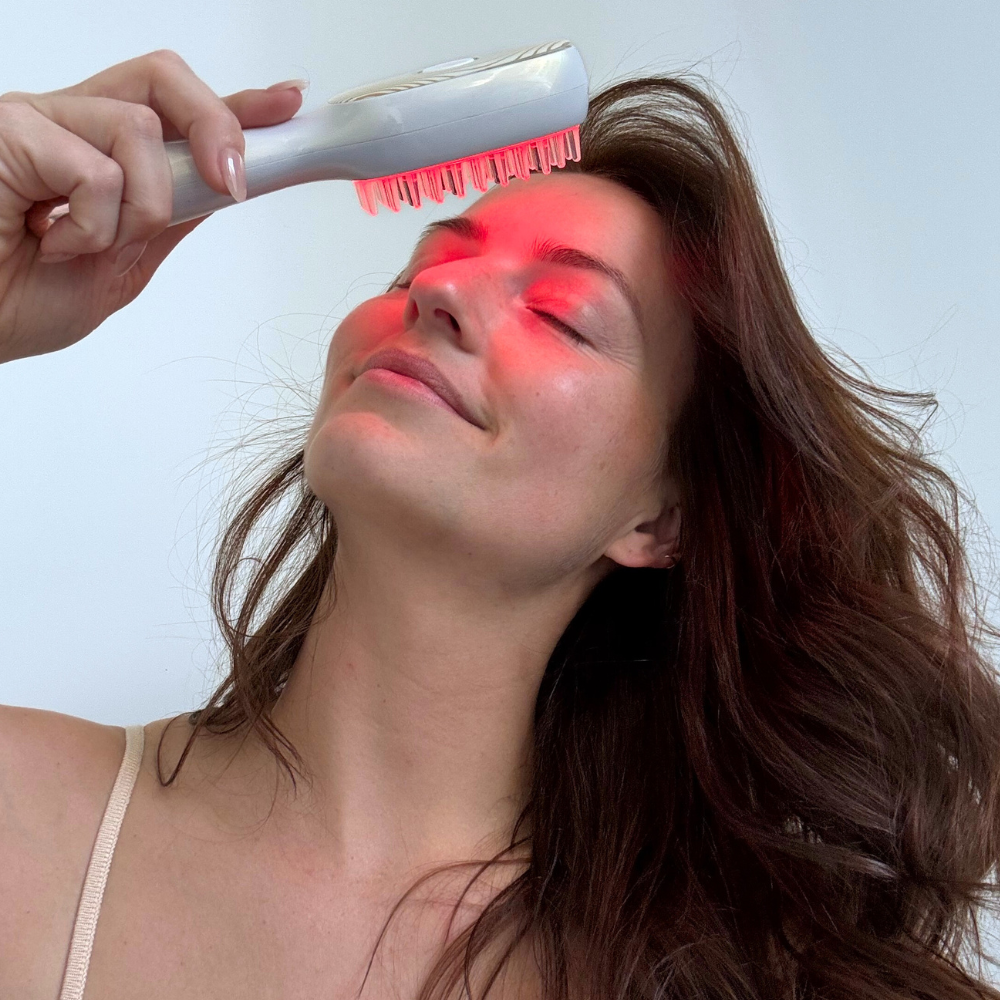
Red light therapy is a form of LED light therapy that uses a specific wavelength of visible red light as part of a non-invasive skincare ritual.
In beauty, it is widely used to support a more revitalised, refreshed-looking complexion and has become especially popular in routines centred around visible skin ageing. What makes it so interesting is that it feels less like a product and more like a technology-led ritual. It is not massaged in, rinsed off or layered under makeup. It is something you make time for. Something that becomes part of the rhythm of your routine.
And that, in many ways, is why it has become such a modern skincare staple.
If you’re new to the category, our guide to LED light therapy for skin is the perfect place to start.
Why Is It So Closely Linked to Wrinkles?
Because it fits the way women want to care for their skin now.
The old model of wrinkle care was often built around one hero cream and a long list of promises. The new model feels different. It is more layered. More realistic. More interested in long-term support than quick fixes.
Red light therapy belongs to that new model.
It has become one of the most talked-about technologies in wrinkle-focused skincare because it supports the idea of caring for the skin consistently, proactively and non-invasively. It feels elevated without being overwhelming. Advanced without being inaccessible.
And for women who want more from their skincare than surface-level maintenance, that is a very appealing place to be.
What Makes It Different From Traditional Skincare?
A serum can absolutely play an important role in your routine. So can a moisturiser, a targeted treatment and daily SPF.
But red light therapy brings something else to the table.
It is not a topical product. It does not sit on the skin in the way a cream does. Instead, it becomes part of a broader ritual - one that feels more technology-led and more aligned with the future of skincare.
That is why so many women are drawn to it. Not because it replaces skincare, but because it expands it.
It says: maybe your routine can be more than products alone.
Is All LED Light Therapy the Same?
Not at all.
One of the biggest misconceptions in beauty tech is that all light therapy is interchangeable. In reality, different wavelengths are associated with different purposes, which is why understanding the difference between them matters.
Red light is often the most recognisable because it has become such a central part of the rejuvenation conversation. But it is only one part of the wider LED category.
If you want to understand how it compares to the rest, our article on LED vs Red Light vs NIR breaks it down beautifully.
And What About Near Infrared?
If red light is the familiar face of light therapy, near infrared is its quieter, more mysterious counterpart.
Less visible to the eye and often associated with more advanced beauty technology, near infrared is frequently paired with red light in devices designed to offer a more comprehensive treatment ritual. Together, the two create a more layered approach to at-home light therapy — one that feels more complete and more considered.
This is part of why premium LED devices are so compelling. They are not simply offering one colour of light. They are creating a more intelligent, multi-dimensional skincare experience.
For a closer look at the science behind this, you can read Photobiomodulation Explained.
So... Does It Really Work for Wrinkles?
The reason red light therapy continues to hold such a strong place in the wrinkle conversation is because it supports a more modern approach to skin ageing.
Not dramatic promises. Not overnight transformation. Not the fantasy that one treatment changes everything.
Instead, it fits into the kind of skincare routine many women are actually looking for now: one that is consistent, non-invasive, technology-led and built around supporting the skin over time.
That is what makes it feel relevant.
Wrinkle care has changed. It is less about chasing perfection and more about creating routines that support the skin in a smarter, more intentional way. Red light therapy has become one of the technologies leading that shift.
Why At-Home Devices Changed Everything
One of the biggest reasons red light therapy has become such a major beauty category is because it is no longer something reserved for occasional appointments.
At-home devices have changed the pace of the conversation completely. They have taken a clinic-inspired treatment and made it part of everyday life. Suddenly, light therapy is no longer something you do once in a while. It becomes something you can build into your week. Your evening. Your version of self-care.
And that matters, because skincare works best when it can actually fit into real life.
Where Luma9™ Fits In
This is exactly where Luma9™ comes in.
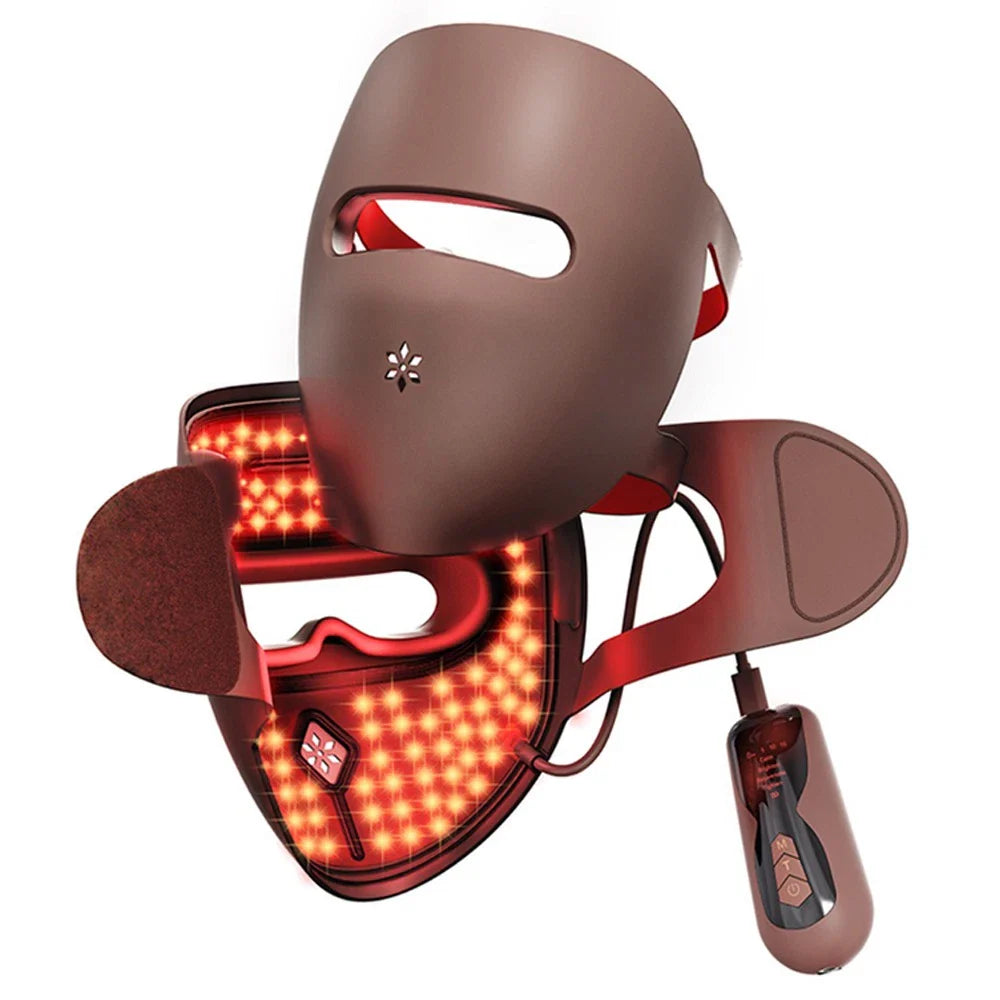
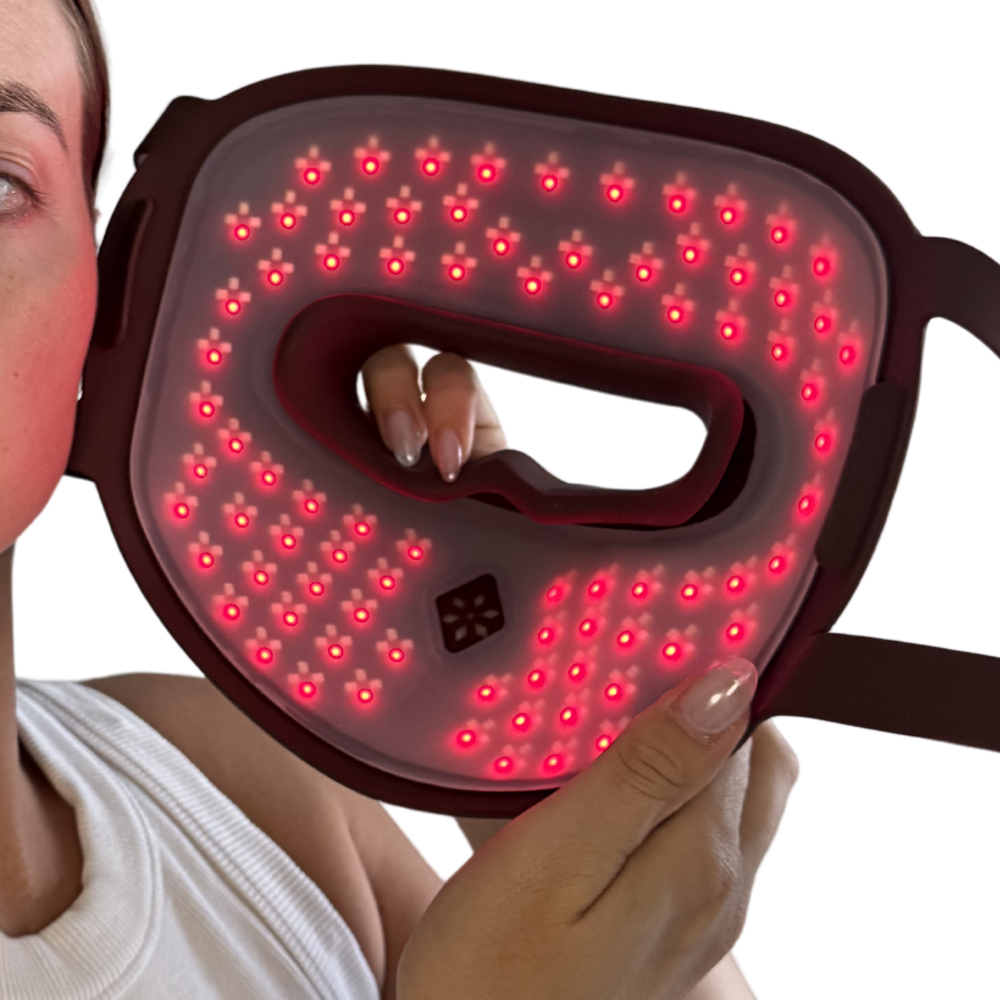
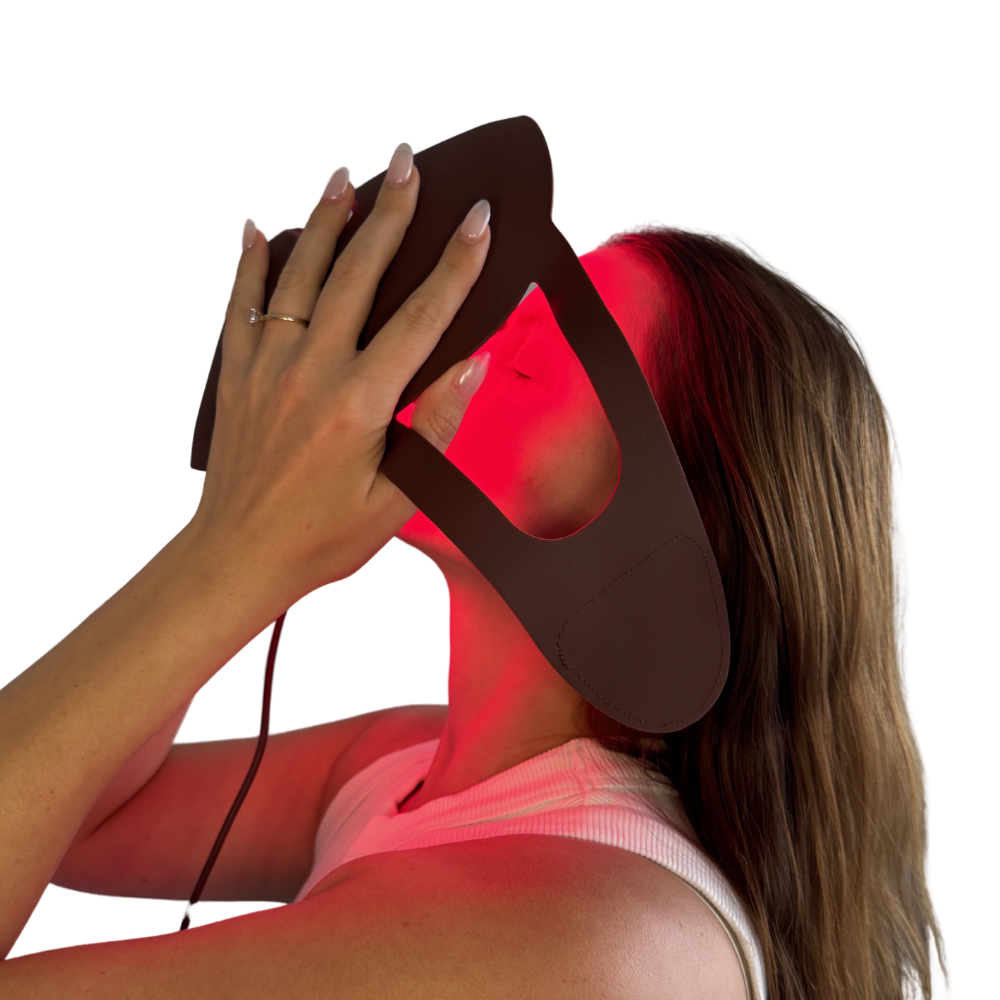
Designed as a flexible LED and near infrared mask, Luma9™ brings together multiple light modes in a way that feels elevated, wearable and genuinely easy to use. It is designed for women who want a more advanced skincare ritual without needing to leave the house or overcomplicate the process.
More than just a red light mask, it represents the kind of beauty technology skincare is moving toward - comfortable, considered and rooted in consistency.
For women looking to bring red light and near infrared into their routines in a way that feels realistic and refined, Luma9™ offers a beautifully modern way in.
The Future of Wrinkle Care Looks Different
The future of skincare is not about one miracle ingredient or one product doing all the work.
It is about layering the right things together. Good skincare. Consistency. Sun protection. And technologies that support the skin in more intelligent ways.
Red light therapy belongs in that future.
Not as a trend, but as part of a bigger shift in beauty - one that is less reactive, more informed and far more aligned with how women actually want to care for their skin now.
At Liorae, that is exactly the kind of future we believe in.
Advanced. Non-invasive. Designed for real life.
Always for your future skin.